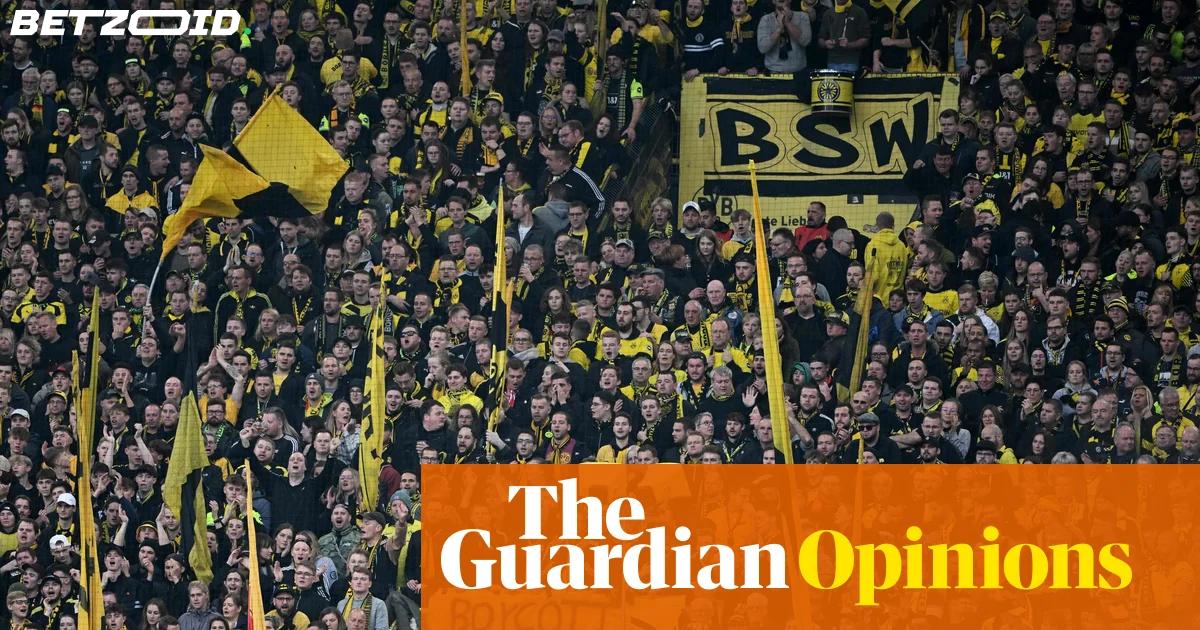
The talk of boycotting the 2026 World Cup is getting serious. German soccer federation vice-president Oke Göttlich recently suggested teams should consider skipping the tournament in the United States. He's even comparing it to the Olympic boycotts of the 1980s.
"The time has definitely come to seriously consider and discuss" a boycott, Göttlich told a German newspaper. He's also president of FC St. Pauli, a club known for taking strong political stands.
Around 20 European soccer federations have already discussed the possibility. With all the political turmoil in the U.S. right now, it's not hard to see why some officials are frustrated. Even former FIFA president Sepp Blatter has chimed in, telling teams to "avoid the United States."
The Problem With Boycotts
Here's the thing though - sports boycotts rarely accomplish much. Let's look at history for a second.
The U.S. boycotted the 1980 Moscow Olympics over the Soviet invasion of Afghanistan. The Soviets then boycotted the 1984 LA Games in response. Did either boycott change anything? Not really. The Soviets stayed in Afghanistan until 1989 anyway.
All those boycotts did was ruin two Olympics and deny athletes their moment to compete. That's a pretty weak track record.
World Cup boycotts are even rarer. Uruguay stayed home from the 1934 tournament because they were mad about attendance at their 1930 event. African nations successfully boycotted in 1966 to demand better representation, which actually worked.
Who Really Gets Hurt?
If European teams boycott the 2026 World Cup, who suffers most? Probably not the Trump administration. They likely wouldn't care enough about soccer to change their policies over it.
FIFA would take a hit to their reputation, but they'd still collect broadcast and sponsorship money. They've already sold tons of tickets too. The real losers would be the fans who don't get to watch their teams compete. Workers and local businesses expecting tourism revenue would also suffer.
For bettors, a major boycott would completely scramble the odds and tournament structure. But there's a bigger question: would it actually accomplish anything?
The simple answer is probably not. An administration that doesn't worry much about international opinion won't be swayed by some countries staying home from a soccer tournament. The better move? Show up and make your voice heard when the world is actually watching.
After all, nobody hears your protest if you're not there to make it. That's the real catch-22 of a World Cup boycott in 2026.