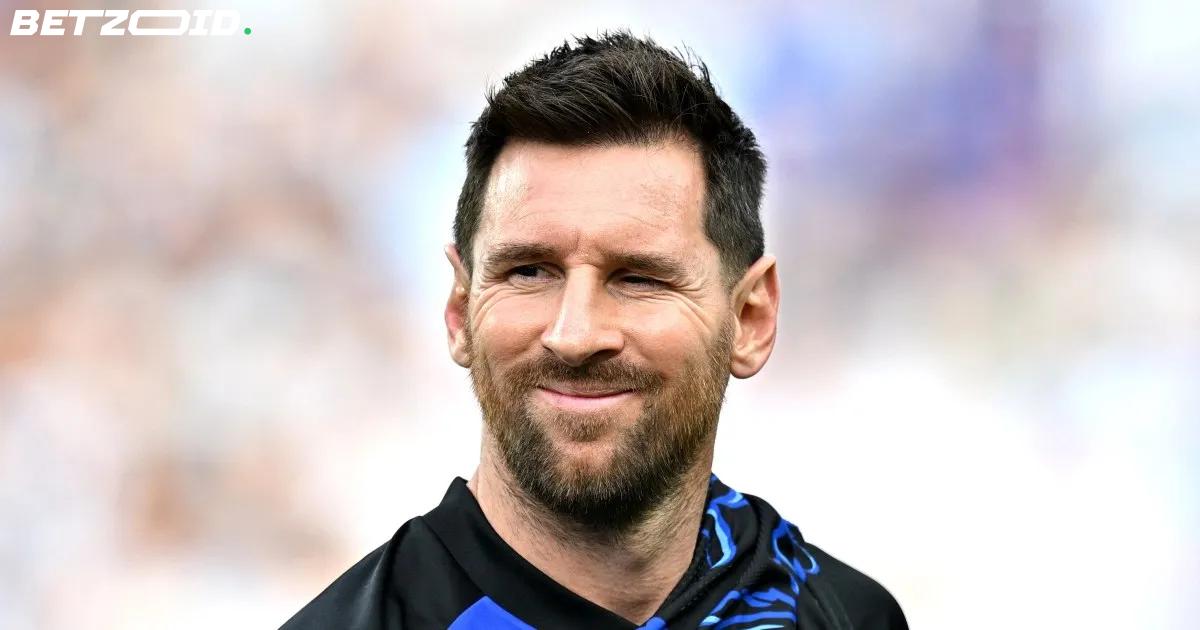
"There are so many emotions, I've experienced so many things on this field." Messi said it after a 3-0 win over Venezuela in September — his final competitive international on home soil. By the time Argentina open their World Cup campaign against Algeria on June 16 in Kansas City, he'll be 38, turning 39 during the tournament. This is it. The actual last chapter.
The question isn't whether Messi can conjure a moment or two. He almost certainly can. The real question is whether Argentina can win a second straight World Cup with a version of Messi who is clearly past his physical peak — and whether that even matters given the squad around him.
Messi's role has shifted, whether Argentina admit it or not
At Qatar 2022, Messi was the engine. Seven goals, three assists, the Golden Ball. He dragged Argentina to the title in a final for the ages against France. That Messi — relentless, decisive, capable of operating at elite intensity for 90 minutes across seven matches — isn't the one boarding the plane to North America.
He's still scoring freely for Inter Miami in MLS. But managing his minutes through an intense, six-week tournament is a different calculation entirely. His hamstring has been a concern. His speed and power have visibly dropped. What remains is his vision, his set-piece delivery, and the psychological weight he carries just by being on the pitch — opponents still organise around him, which opens space for everyone else.
That's actually useful. Just different.
The squad is deeper than the Messi narrative suggests
Seventeen of the 26 players who won in Qatar are back. Lautaro Martinez finished as Serie A's top scorer with 17 goals for Inter Milan. Julian Alvarez, now at Atletico Madrid, has been excellent in patches. The midfield — Mac Allister, Enzo Fernandez, De Paul — is genuinely world-class at Premier League and La Liga level.
The defensive spine is solid if occasionally reckless, with Romero and Otamendi offering physicality and experience. Emiliano Martinez in goal is the best penalty-shootout goalkeeper on the planet right now. In a tournament that regularly goes to spot-kicks, that's a concrete edge that shortens Argentina's odds in any tight knockout tie.
Emerging names add intrigue too. Nico Paz has had a strong Serie A season with Como. Valentin Barco, 21, earned a call-up. Scaloni controversially left out Real Madrid's 18-year-old Franco Mastantuono and Chelsea's Alejandro Garnacho — two decisions that will be scrutinised hard if Argentina fall short in the later rounds.
Group J looks manageable on paper: Algeria (28th in the world), Austria (24th), and Jordan in their first World Cup. Argentina have been burned by complacency before — Saudi Arabia in 2022 was a genuine wake-up call — but Scaloni is smart enough to know the group stage is where careers and tournaments can unravel before they begin.
- June 16: Argentina vs Algeria — Kansas City, 9pm ET
- June 22: Argentina vs Austria — Arlington, Texas, 1pm ET
- June 27: Jordan vs Argentina — Arlington, Texas, 10pm ET
Scaloni himself is chasing history. Win this and he becomes the first manager to lift back-to-back World Cups since Italy's Vittorio Pozzo in 1934 and 1938. He's done it without the ego or volatility of his predecessors, built a coherent tactical identity, and earned genuine loyalty from his players. Two Copa Americas and a World Cup title. His record speaks clearly.
Argentina will reach the semifinals, probably further. But Spain and France — both younger, both peaking — represent a different tier of opponent to anything in Group J. Whether Argentina's experience and Messi's aura is enough to beat either of them is the actual tournament question. The last time France met Argentina in a final, it took 120 minutes and a shootout to separate them. That match may have been the ceiling, not the floor.