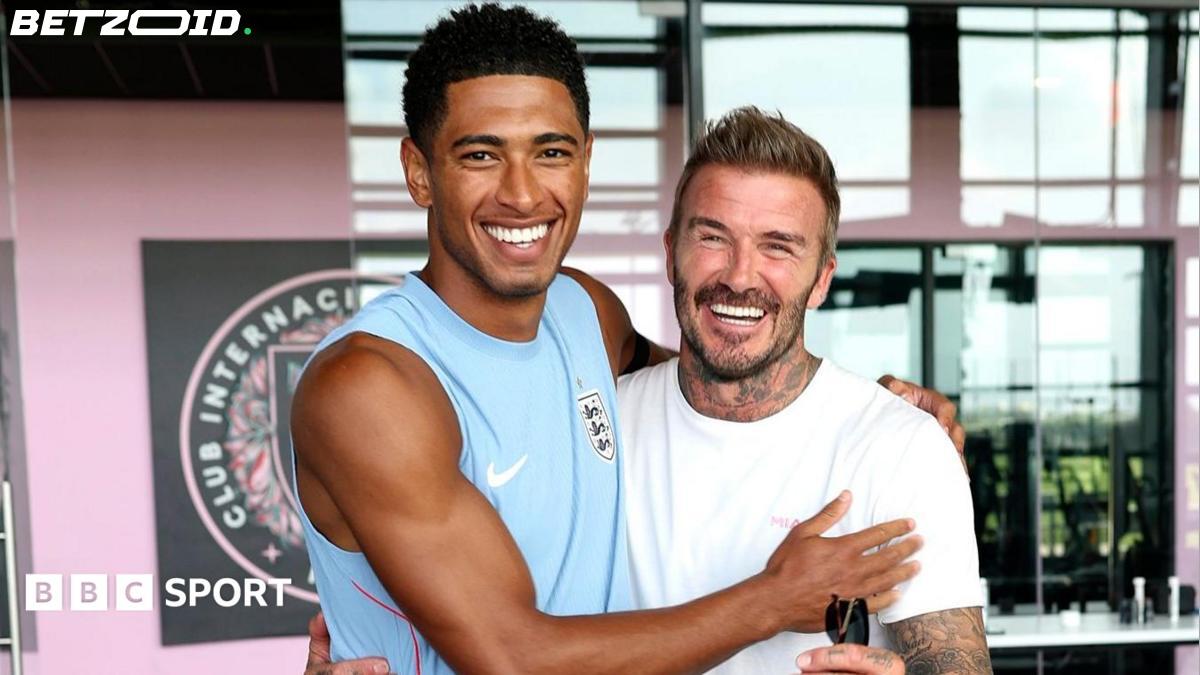
"David Beckham, to America, is the World Cup. He is soccer to us." That's not marketing copy. That's MLS's own assessment of why Beckham became the face of the tournament before a ball has been kicked.
It's a strange place to find a retired 51-year-old who last played competitively in 2013. But Beckham's relationship with American football was never really about what he did on the pitch.
He didn't just join MLS — he legitimised it
When Beckham signed for LA Galaxy in 2007, stadiums sold out before he'd played a single competitive match. The league wanted credibility. What it got was mainstream celebrity — a different and arguably more valuable currency in the American sports market.
Dan Courtemanche, MLS's executive vice-president and chief communications officer, puts it plainly: "He changed the fate of American soccer. Not once, but twice."
The second time came 16 years later. Beckham — now co-owner of Inter Miami — was instrumental in persuading Lionel Messi to choose MLS over rival offers from around the world. The ripple effects of that decision are still being felt across the league's viewership numbers, sponsorship deals, and expansion ambitions. If Beckham's Galaxy move gave MLS a profile, Messi's arrival gave it a global conversation.
The brand outlasted the boots
On Hollywood Boulevard this summer, Beckham accepted a star on the Walk of Fame — a moment that captured exactly what he's become. "A working-class English footballer," as he described himself, receiving an honour typically reserved for film stars and cultural icons.
That trajectory — from Treble-winning United winger to Real Madrid Galáctico to LA celebrity to MLS power broker — didn't happen by accident. It was constructed deliberately, and it's still being constructed now.
LA Galaxy president Tom Braun says Beckham "built a business around his brand and continues to resonate with people." That resonance is precisely what World Cup 2026 organisers are banking on. In a country where football still competes for attention against the NFL, NBA, and MLB, having a figure who crosses all cultural lines — sport, fashion, entertainment — is worth more than any ambassador's formal role.
Whether that translates into lasting growth for the game in America is a longer conversation. But for this summer's tournament, the calculus is simple: Beckham sells tickets, Beckham sells stories, and Beckham sells football to people who wouldn't otherwise be paying attention.