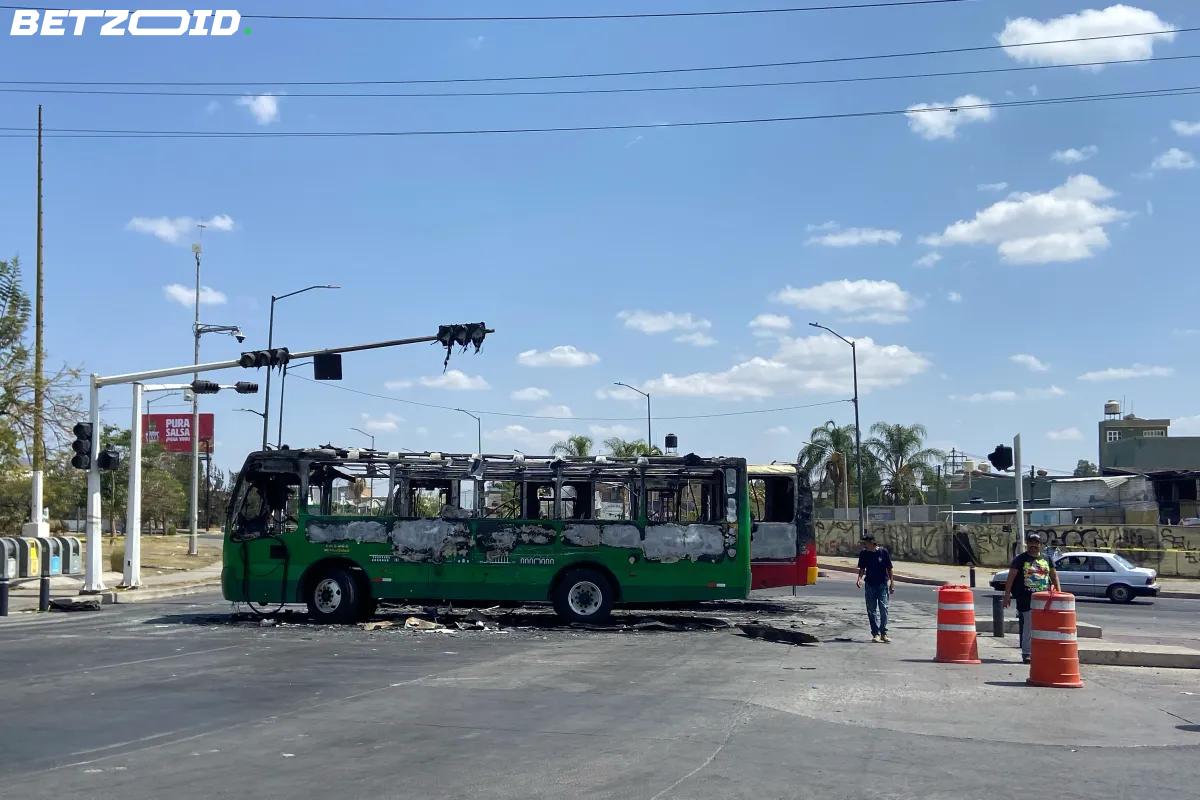
The 2026 FIFA World Cup is facing some serious security questions after violent cartel activity erupted in Guadalajara, one of Mexico's three host cities. The chaos followed a Mexican military operation that killed Nemesio "El Mencho" Oseguera Cervantes, the leader of the powerful Jalisco New Generation cartel.
The fallout has been intense. We're talking retaliatory blockades, arson attacks, and clashes that led to shelter-in-place warnings and cancelled flights. Four professional soccer matches scheduled for Sunday were postponed, including the huge Chivas versus América rivalry game that fans had been waiting for.
Football commentator Younes H-Hamou didn't hold back on social media. "I say we move the World Cup away from that entire continent," he posted on X. He pointed out that 13 World Cup matches are scheduled for Mexico and suggested the tournament should be relocated entirely, citing concerns about safety, weather, and regional instability.
History Repeating Itself?
This situation brings back dark memories from football history. Remember Colombian defender Andrés Escobar? He was tragically killed in Medellín in 1994, just days after scoring an own goal at the World Cup. That incident showed the world how dangerous things can get when organized crime intersects with football.
The risks are real for everyone involved—fans traveling to matches, teams staying in hotels, and even the tournament infrastructure itself. The U.S. State Department issued warnings telling Americans in Jalisco (including Guadalajara and Puerto Vallarta) to shelter in place due to road blockages and criminal activity.
What Happens Next?
Mexican President Claudia Sheinbaum tried to calm fears, saying state governments are working together and that most of the country is operating normally. Authorities are working to clear blockades and restore normal travel and match schedules as things stabilize.
The Mexican military reported that "El Mencho" died from wounds sustained during the operation, with four cartel members killed and three soldiers injured. Now analysts are watching closely to see who takes over the cartel leadership, which could determine security levels around key World Cup venues in the coming months.
For anyone considering travel plans or placing bets on World Cup matches, this situation adds a layer of uncertainty. Tournament organizers will need to demonstrate they can guarantee safety for the hundreds of thousands of fans expected to attend. The next few months will be crucial in determining whether Mexico can maintain its hosting duties or if FIFA will need to make some difficult decisions about venue changes.