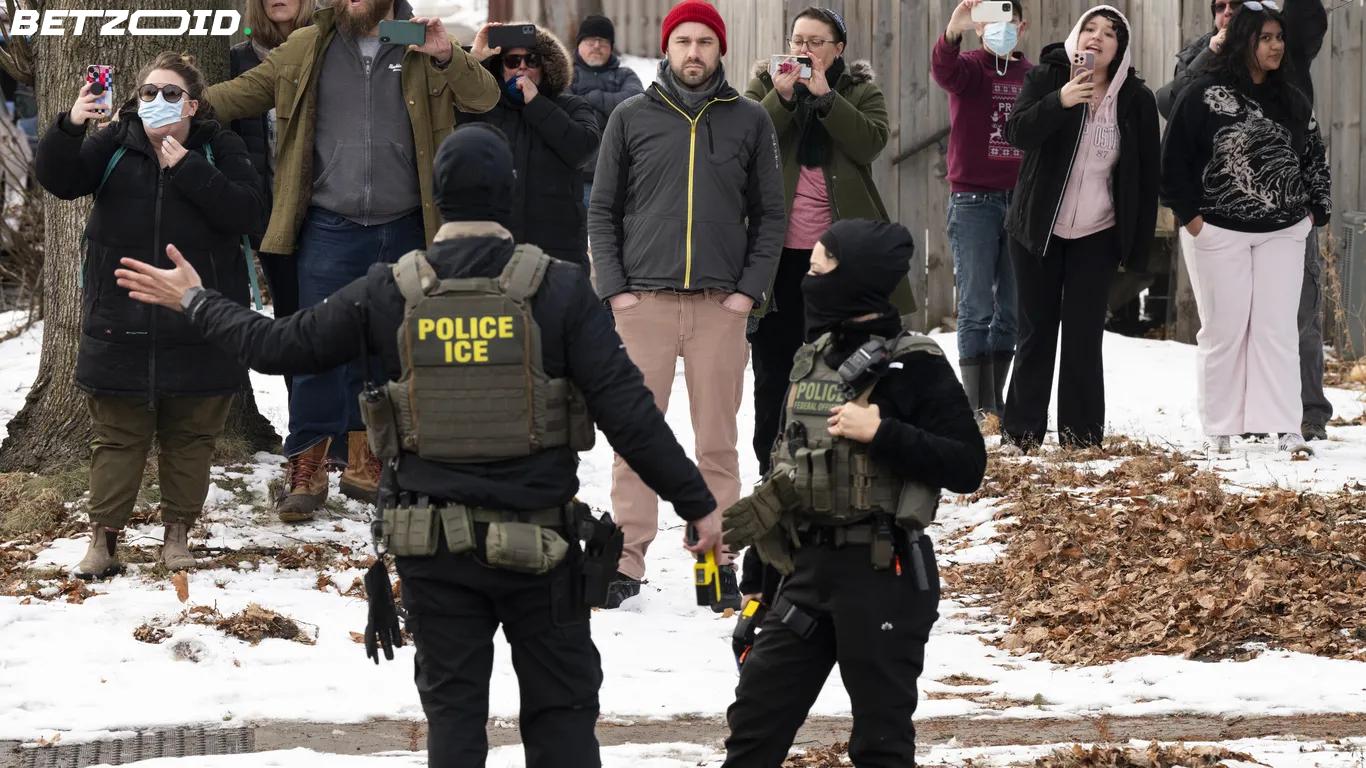
The 2026 World Cup is getting more complicated by the day. ICE director Patrick Lyons confirmed this week that immigration agents will have a major security role at the tournament. This announcement has sparked fresh concerns from fans and officials worldwide.
Lyons appeared before a House panel on Tuesday and made the situation clear. "ICE, specifically Homeland Security Investigations, is a key part of the overall security apparatus for the World Cup," he said. He added that ICE is dedicated to securing the operation and protecting all participants and visitors.
The question came from Rep. Nellie Pou, whose New Jersey district will host World Cup matches this summer. She asked if ICE would pause operations during the tournament. Lyons made it clear that wouldn't happen.
What Type of ICE Involvement Are We Talking About?
Here's an important detail many people are missing. Lyons was specifically talking about ICE HSI, which handles criminal investigations like human trafficking. This division works at major sporting events all the time, including the Super Bowl and Olympics.
ICE Enforcement and Removal Operations (ERO) is the division that enforces immigration law. That's the part causing the most controversy. The Department of Homeland Security promised in January to deliver a "world-class, seamless, and secure experience" for all World Cup travelers.
For bettors and fans planning to attend matches, this creates uncertainty. Travel concerns could affect attendance numbers, which might impact home-field advantage calculations for matches in the United States. Canada and Mexico are co-hosting, giving fans alternative venue options.
International Backlash Is Growing
The response from the global football community has been harsh. Former FIFA president Sepp Blatter called for a World Cup boycott last month. Other soccer executives and experts have made similar suggestions.
Vancouver officials are particularly worried after ICE agents were deployed to the Winter Olympics in Milan. They don't want the same situation for World Cup matches. Football Supporters Europe told BBC Sport they're "extremely concerned by the ongoing militarization of police forces in the U.S."
Trump's recent immigration policies have made things worse. New policies include mandatory social media checks for tourists. This could discourage international fans from traveling to U.S. venues.
Trump himself received the FIFA Peace Prize in December and claims the tournament will be the "biggest, safest and most extraordinary soccer tournament in history." But international opinion tells a different story.
The situation creates real questions for the tournament. Will teams face hostile crowds in U.S. venues? Will fewer international fans show up? These factors could influence match atmospheres and potentially affect outcomes, especially for matches where traveling support typically plays a major role.