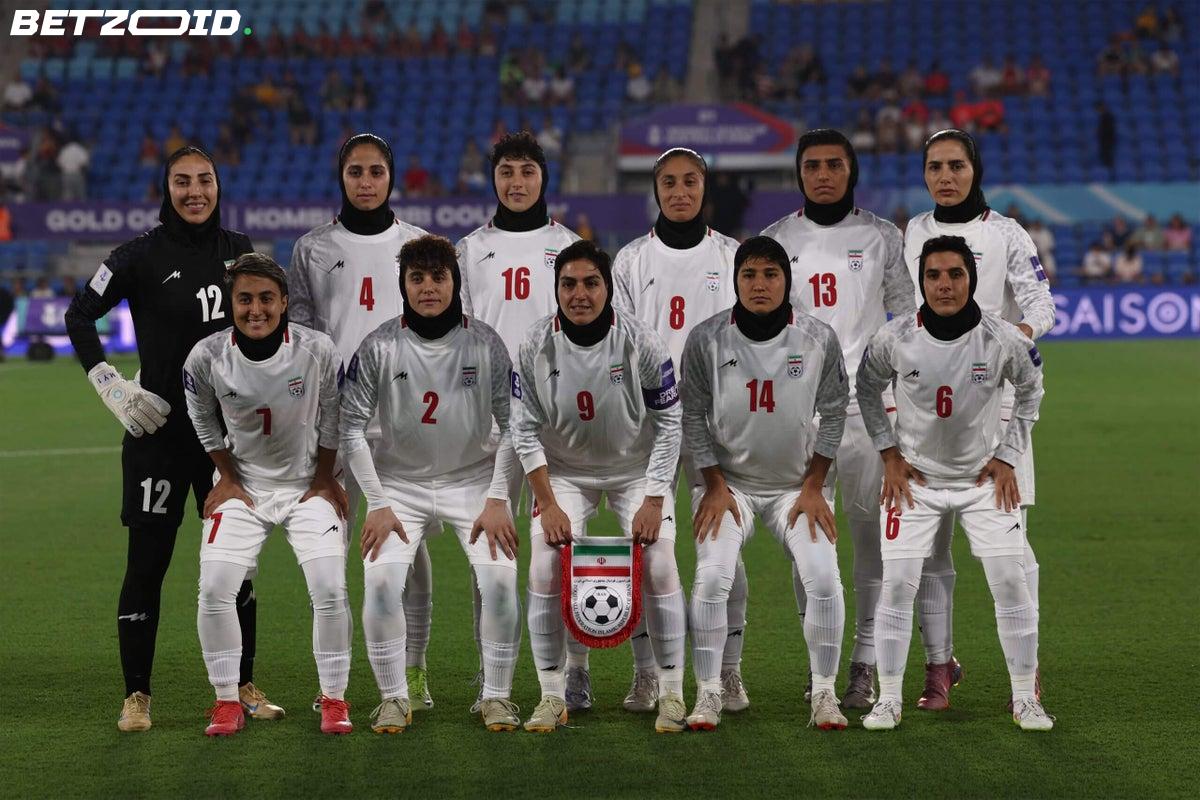
Iran's women's football team is in serious danger after refusing to sing their national anthem. A state TV presenter called them "wartime traitors" and said they should be "dealt with severely." This isn't just harsh words - it's a real threat to these players' safety.
The drama unfolded at the AFC Women's Asian Cup in Australia. Before their opening match against South Korea, the Iranian players stayed completely silent during the anthem. Mohammad Reza Shahbazi, a state television presenter, went on air and accused them of "dishonour and lack of patriotism."
"Traitors during wartime must be dealt with more severely," Shahbazi said in a broadcast that's been verified as authentic. He called their silence "the pinnacle of dishonour" and demanded both officials and citizens treat them as wartime traitors.
Players Face Dangerous Situation
The timing couldn't be worse for these women. Iran is currently under military strikes from the U.S. and Israel, which killed Supreme Leader Ayatollah Ali Khamenei. The country has launched retaliatory attacks, creating a full-blown conflict.
FIFPRO Asia/Oceania, the players' union, jumped into action fast. They've written urgent letters to FIFA, the Asian Football Confederation, and the Australian government. Their message is clear: these players need protection, and returning to Iran could be extremely dangerous.
Interestingly, the team did sing the anthem before their second match against Australia three days later. But the damage was already done. The state TV presenter's threats were already public.
Tournament and Betting Implications
Iran lost both their opening matches and now faces the Philippines on Sunday. They need a big win - by several goals - to have any chance of reaching the quarter-finals as one of the best third-placed teams. But football seems secondary to the players' safety right now.
Iran forward Sara Didar spoke out on Wednesday, saying the team is "concerned and sad" for their country and loved ones back home. You can only imagine what's going through these players' minds as they try to compete.
This isn't the first time Iranian teams have protested through anthem silence. At the 2022 men's World Cup, Iran's male players refused to sing before their England match. They did sing in later games, showing how political pressure affects these decisions.
The conflict has also put Iran's participation in this summer's men's World Cup in doubt. That tournament is being held across the U.S., Canada, and Mexico. President Trump even said he "really doesn't care" if Iran participates.
For anyone betting on the women's Asian Cup, Iran's matches have become completely unpredictable. The team is clearly dealing with massive pressure beyond football. Their performance against the Philippines will depend as much on their mental state as their skills.
The Iranian national anthem dates back to the 1979 Islamic revolution that established religious rule. For many, refusing to sing it represents opposition to that system. But in wartime, the government sees it differently - as betrayal.