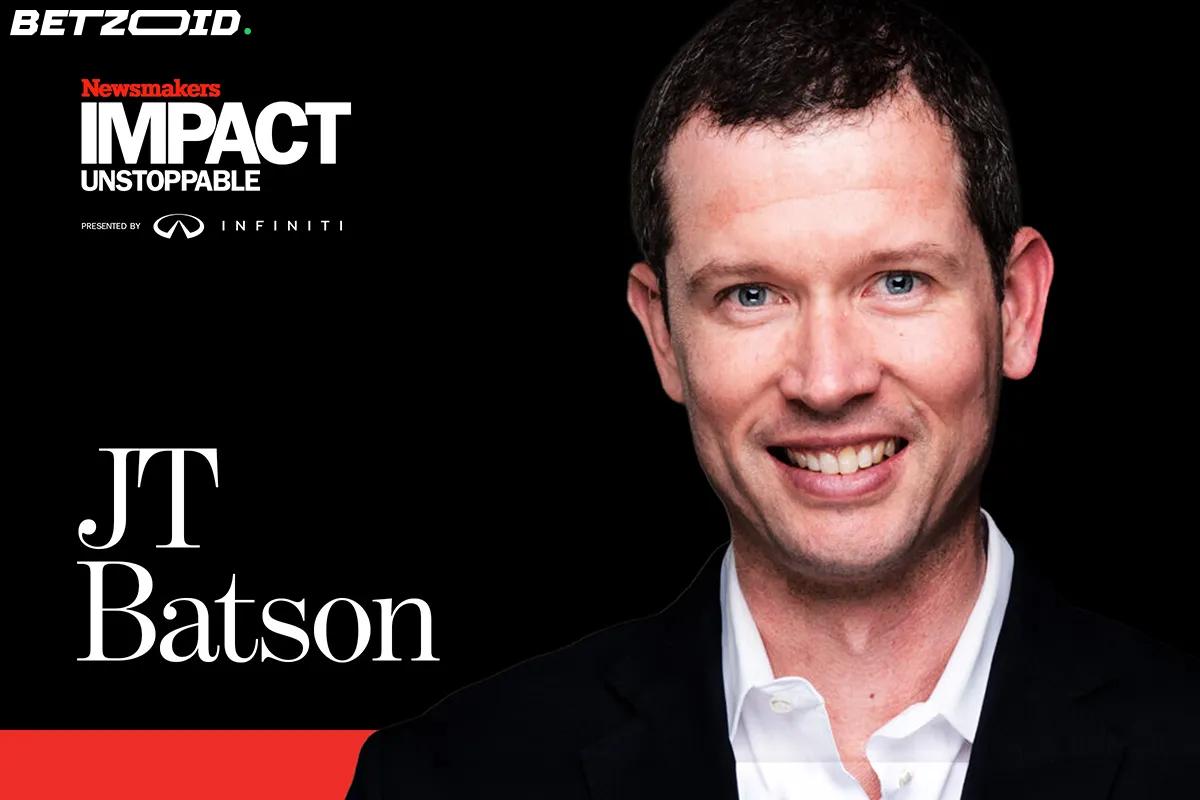
"We know that it's going to lead to sustained success." That's JT Batson, CEO of the U.S. Soccer Federation, and he's not talking about a deep tournament run for the USMNT this summer. He's talking about a decade-long project — and the 2026 World Cup is just the opening move.
Batson has been clear about what U.S. Soccer's three priorities are heading into a tournament co-hosted on home soil: put the men's team in the best position to compete, make the tournament accessible to fans beyond the stadium gates, and use the event as rocket fuel for grassroots participation. On-field performance is listed first for a reason. He said it plainly — "winning matters, and winning in soccer ultimately means winning World Cups."
Pochettino, Hayes, and the long game
The hiring of Mauricio Pochettino to lead the USMNT and Emma Hayes to coach the women's side tells you everything about the organizational ambition right now. These aren't stopgap appointments. Both coaches carry genuine global credibility, and Batson leaned into that: "Two of the best coaches in the world, two of the best people I've ever met."
What's worth watching is whether Pochettino can actually get results at a tournament where the host nation's expectations will be sky-high. The USMNT have never been beyond the quarterfinals. Playing in front of their own fans removes the travel burden but adds an entirely different kind of pressure. The team's odds in any outright market reflect that ceiling — credible dark horse, not genuine contender. Yet.
The women's side is a different conversation. Four World Cup titles already, with Batson flagging Brazil 2027 as the next target. Hayes won the Champions League with Chelsea and the Olympic gold with USWNT. If the women's team doesn't contend seriously, that will be the real shock.
Soccer needs to get off the suburbs and onto the blacktop
The most interesting part of Batson's vision isn't the tournament itself — it's what he wants to happen after it. He pointed out that soccer in America has a geography problem: the sport lives in suburban fields, not the neighborhood parks where basketball's infrastructure already sits waiting for kids.
"Every park has a basketball hoop," Batson said. He's right, and that's not a trivial observation. Accessibility shapes participation. The Soccer at Schools initiative, backed by Bank of America, and the Places to Play program are direct attempts to close that gap — putting the sport where the kids already are, not where the clubs wish they were.
- Soccer at Schools: bringing the game to every U.S. school through a Bank of America partnership
- Places to Play: ensuring kids can reach a safe soccer venue by foot, bike, or transit
- Coaching education: available to everyone from first-time parent coaches to professionals at ussoccer.com
Over 100 million Americans, by Batson's estimate, won't attend a single World Cup match this summer. Fan Fests, extended bar hours, community events — that's the infrastructure designed to make the tournament feel national rather than concentrated in 16 host cities.
The USMNT jersey sales are apparently breaking records, which tells you the commercial appetite is real. Whether that translates into the next generation of players actually staying in the sport — rather than drifting to football or basketball once the World Cup hype fades — is the question that won't have an answer for years.
Batson knows it. "The impact this World Cup's going to have over the next five to 10 years is really where the legacy is going to be felt." The tournament is the spark. The fire has to be built separately.