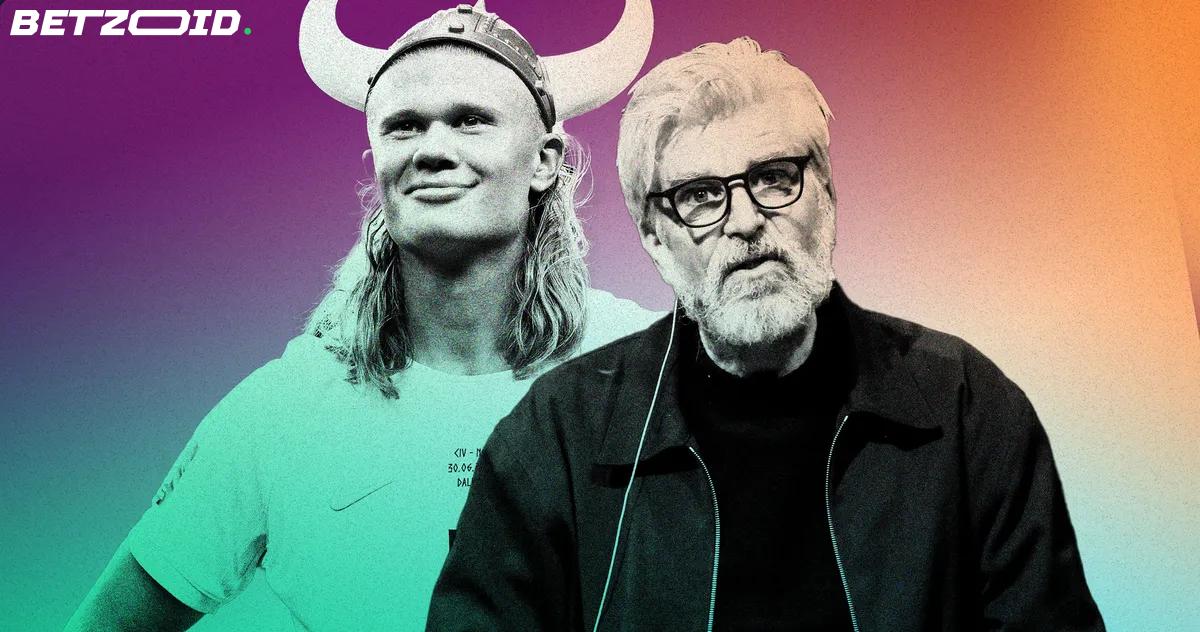
"I can't enjoy when Norway is playing. It's impossible." Karl Ove Knausgaard, Norway's most celebrated living novelist, says it with the resigned clarity of a man who has watched too many Norwegian teams lose 2-1 in Eastern Europe to pretend otherwise.
Knausgaard — the author behind the autofictional epic My Struggle and a book of World Cup letters about Brazil 2014 — spoke about this Norway squad with the kind of tortured affection only a football supporter truly understands. He knows the football. He's watched it since the 1970s. That's what makes his anxiety credible rather than performative.
A generation unlike any before
His frame of reference matters here. The Norway teams Knausgaard grew up watching were built on organization, discipline, and the occasional miracle — like the 1998 group stage win over Brazil that sent the country into delirium. That team, he says, was managed by a "genius, mad-professor" coach called Drillo, and its ceiling was always collective effort. Good shape, limited ambition, three passes maximum.
This squad is something else entirely. "I never thought I would see this level of individual quality in a Norwegian team," Knausgaard says. "When they qualified, we were happy. The rest is a bonus."
The bonus has included a Round of 16 berth, five Haaland goals, and a nation that hasn't felt this way about its football team in nearly three decades. Norway's odds to cause damage in the knockout rounds aren't just based on hope anymore — they're based on a striker who, as Knausgaard puts it, is "probably the most aware man on the planet" when he's inside the box.
On Haaland, Ødegaard, and the players who don't get enough credit
Knausgaard's take on Haaland is sharper than most punditry manages. He doesn't reach for the easy superlatives. Instead, he zeroes in on something specific: the switch. "I don't know if you saw his missed chance against Senegal. He was down on the ground, head in his hands. Then the play continued and he was up and almost scored the very next second." That reset speed — the refusal to carry a missed chance into the next moment — is rarer than pace or power, and harder to coach.
He compares Haaland's style to English strikers of the 1970s. Physical, direct, old-fashioned in the best sense. "A bit more awkward, not as elegant" as someone like Michael Olise pulling off a bicycle kick — but capable of the same things.
For Ødegaard, Knausgaard reaches for his all-time favourite as a reference point: Andrea Pirlo. "He isn't at that level, but he is the same kind of player who can create magic not by dribbling but by passing." The through ball against Senegal — perfectly weighted so Haaland could finish without breaking stride — is the kind of thing that doesn't show up loudly in the stats but decides matches.
He also gives credit where most international observers haven't looked: Patrick Berg, the Bodø/Glimt captain, was Norway's best player against Ivory Coast. Goalkeeper Ørjan Nyland's save from Amad's free kick kept them alive. Oscar Bobb's through pass, Knausgaard notes with some delight, "decided the game" — and Bobb is apparently the only player on the squad he knows to have read Dostoevsky.
The Viking thing — more complicated than it looks
The horned helmets, the runic shirt numbers, the "Viking row" celebration — Norway's tournament identity has been impossible to miss. Knausgaard doesn't dismiss it, but he doesn't pretend it's uncomplicated either.
"It's very divided," he says. Serious Norwegian intellectuals see the Viking aesthetic as edging toward something darker — the same imagery was co-opted by the Nazi party in the 1930s and '40s. He understands the concern. He just doesn't share it here. "I think it's good to take those aesthetics back to something fun instead of the right-wing thing. It's very innocent, really. But it is a bit corny. I agree."
After the Senegal win, tens of thousands gathered in Oslo and marched to the royal castle chanting that they were going to wake the king. They sat down and did the rowing in front of it. Norway hadn't been at a World Cup in 28 years. "That's the kind of thing we talk about occasionally: 'Where were you then?'" Knausgaard says. "And it's the same thing now."
Would he do the rowing himself if he were in the crowd? He pauses. "I hope I wouldn't be put in that situation. But I probably would. Yeah, I would."