Netflix just bought the 2030 World Cup in Spain. All 104 matches, exclusive rights, the lot — and it's coming to the platform that, until recently, was best known for true crime documentaries and whatever the algorithm recommended at 11pm.
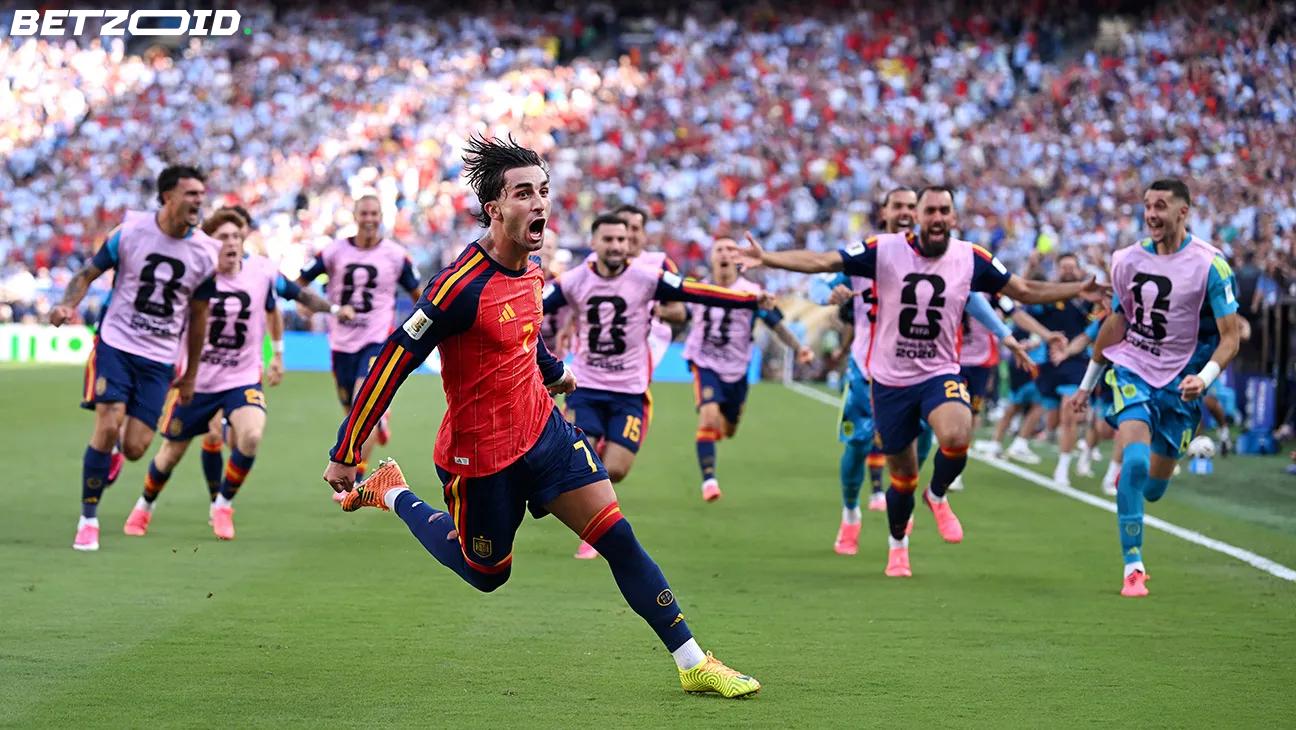
This is a genuinely significant move. Spain is hosting the tournament alongside Morocco and Portugal, which means this isn't just a broadcast deal — Netflix is acquiring rights in a country where every group stage match will feel like a home game. The appetite for football in Spain is not a casual thing. This is the nation that just lifted the World Cup trophy. Every match involving La Roja will be appointment television for tens of millions of people.
What the deal actually looks like
Netflix will carry all 104 matches live, with pre-game, halftime, and post-game coverage plus daily wrap shows on match days. They're also promising extensive pre-tournament programming. Whether that means quality build-up content or a lot of branded noise is the question worth asking — live sports production at this scale is a different discipline from what Netflix has typically done.
Not everything will sit behind the paywall. One match per day will be free to access in Spain, and a sublicensed package — every Spain match, both semi-finals, the final — goes to a free-to-air broadcaster. That's a smart concession given Spanish broadcasting law and public expectation, and it limits the PR damage of locking the host nation's games behind a subscription.
From a Spanish betting market perspective, the way matches are distributed across free and paid platforms will affect viewing numbers, and viewing numbers drive in-play liquidity. It's a factor the industry will be watching closely as 2030 approaches.
Netflix's broader sports push
This isn't a one-off experiment. Netflix already holds rights to the 2027 and 2031 Women's World Cups, and earlier this year signed a four-year deal with Concacaf to stream the Nations League finals and Gold Cup from 2027 in Mexico. In the US, NFL and MLB games already run on the platform alongside boxing and MMA.
The pattern is clear: Netflix is building a live sports portfolio, methodically, market by market. Acquiring World Cup rights in Spain — one of the most football-obsessed nations on earth, and a host nation at that — is the most visible step yet.
2030 also marks the tournament's centenary, with celebration matches in Argentina, Paraguay, and Uruguay adding to an already sprawling event. Netflix has six years to figure out how to pull this off. The deal is done. The hard part starts now.