After 24 years under the PGMO banner, English football's elite refereeing body has a new name, a new structure, and a new pot of money to work with. Professional Game Referees — Pro Ref — is the identity they're going into the 2026-27 season with, and the rebrand comes with enough substantive changes to suggest this isn't just a fresh coat of paint.
The headline structural shift is the merger of Select Group 1 and Group 2 into a single Professional Referee Group. Previously, the top-tier officials who handled Premier League matches sat in a separate band from those working predominantly in the Championship. That division is gone. The stated aim is "greater competition" — meaning officials from the lower band can now push directly against the established Premier League names for the biggest assignments. Whether that genuinely shakes up who takes charge of title deciders and relegation six-pointers remains to be tested, but in theory it tightens the competitive picture at the top. Referee consistency has been one of the more persistent grievances from fans and managers alike, so anything that raises the floor matters.
Webb's fingerprints are all over this
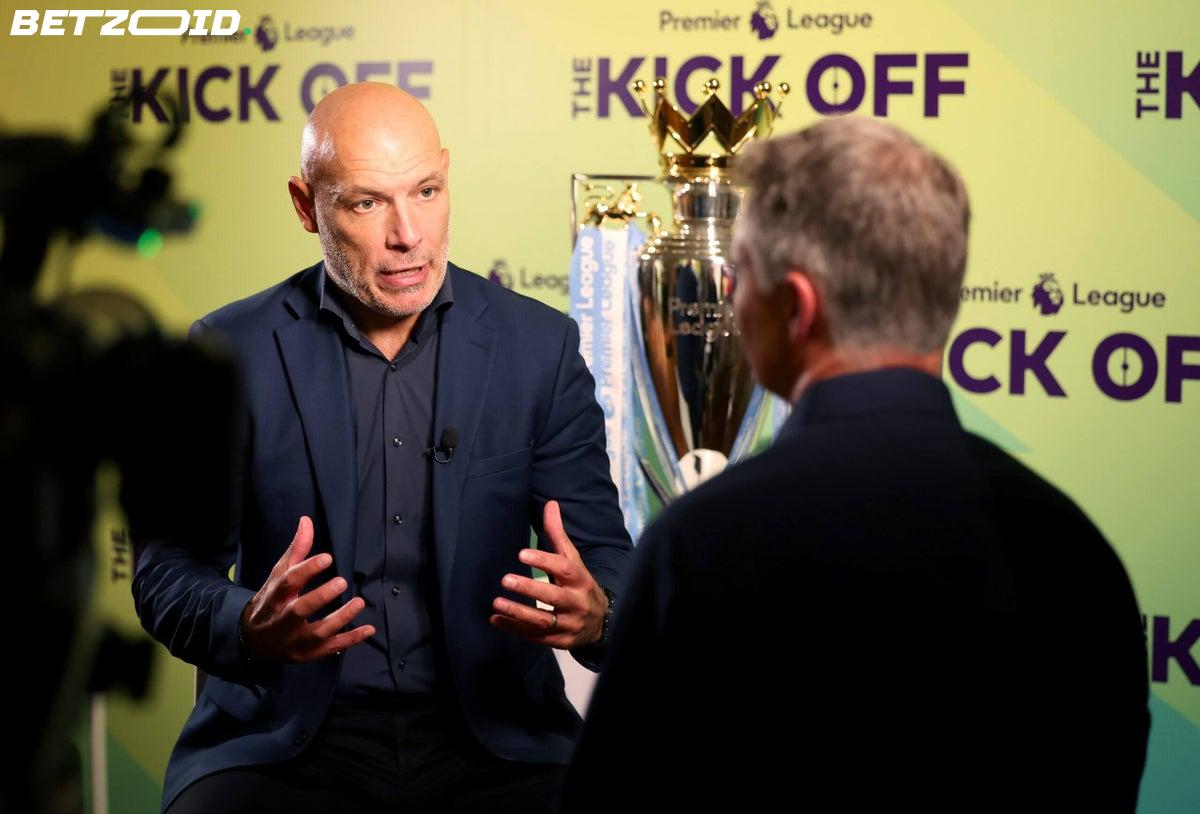
Howard Webb stays on as chief refereeing officer — a deliberate continuity choice. Since returning from MLS's Professional Referee Organization in 2022, he's introduced the Elite Referee Development Plan, launched CORE X to support officials from underrepresented communities, and set up a programme funding 10 former professional footballers to train as referees. Thomas Kirk and Farai Hallam are among those who've already earned Premier League promotions through the fast-track pathway.
The funding behind all of this comes from a new three-year agreement with the Premier League, EFL, FA, and WSL. That four-body buy-in matters — it means Pro Ref isn't dependent on one competition's goodwill to sustain its development programmes. Some of that additional money is also being directed toward grassroots education and academy players, which is the kind of long-term infrastructure investment that rarely gets headlines but shapes the sport a decade from now.
"An environment focused on high performance is fundamental to enhancing refereeing standards," Webb said in Tuesday's statement. That's the line he needs to deliver on. The rebrand gives him a cleaner platform. The merged referee group gives him a mechanism. Whether English football's officiating actually improves — that's the question supporters will be judging him on, not the name above the door.