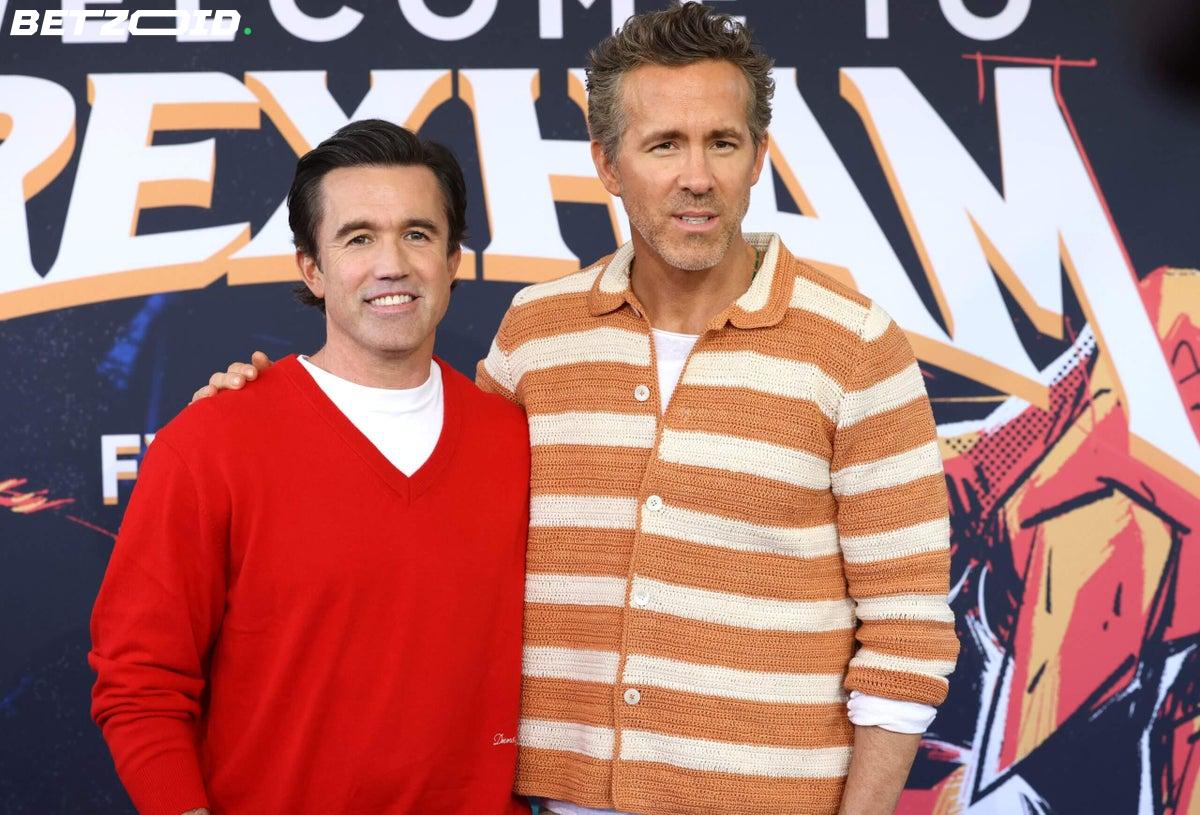
Tom Brady posted "Big W" on Instagram after Birmingham beat Wrexham 2-0 last April. Ryan Reynolds and Rob McElhenney fired back on the Men in Blazers podcast. And somewhere in between the trash talk and the workout chat, two mid-table English clubs quietly built something that most Premier League boardrooms haven't figured out yet.
Friday's Championship clash at The Racecourse Ground — a 2-1 away win for Chris Davies' Birmingham — was the fifth meeting between these two since Brady bought into St Andrew's three years ago. He's won three, drawn two. The bragging rights are comfortably his, and you can bet that's already been posted, shared, and monetised.
The post-World Cup gold rush
The timing matters here. The game landed just weeks after a World Cup that accelerated football's grip on North America faster than anyone projected. Fan-data firm CLV Group puts the number of U.S. soccer fans at roughly 129 million today — up from 83 million in 2024. Only 20 per cent of them are already attached to a club. That's 100 million people still available.
CLV Group CEO Neil Joyce is blunt about the opportunity: "For Birmingham and Wrexham, what's the opportunity to sell more merchandise? Digital subscriptions? What collaborations should they be doing?"
Wrexham didn't wait around to find out. Within days of Spain lifting the trophy on July 19, the Welsh club were on the East Coast playing Liverpool, Leeds, and Sunderland. Their third U.S. tour in four years. It's not a coincidence — it's a strategy that's showing up directly in the accounts. In the 2024-25 financial year, 57.7 per cent of Wrexham's £33.35 million revenue came from outside the UK and Europe, primarily North America.
Birmingham's total income for the same period hit £35.6 million — a League One record for a club not on parachute payments. Their financials don't break down geography the way Wrexham's do, but the trajectory is pointing the same direction.
Storytelling as a competitive edge
What Joyce keeps returning to is storytelling, and both clubs have genuinely compelling ones. Wrexham have the near-extinction narrative, the documentary, Reynolds' self-deprecating charisma, and now a new sponsorship with Firefox — a smart play given gaming's pull with younger audiences who haven't yet picked a team.
Birmingham's angles are different but arguably underused: Brady's NFL legend status, the Peaky Blinders association, and a new stadium project that gives them a concrete vision to sell. "That type of storytelling is key for engagement," says Joyce.
The pair have a history that barely existed before League One threw them together — a famous 1997 FA Cup win for Wrexham at St Andrew's, the subsequent £1 million sale of Bryan Hughes (still a club record), and then nothing for decades. Now there's a genuine rivalry with edge, celebrity theatre, and a fanbase watching from both sides of the Atlantic.
- Wrexham's 2024-25 revenue: £33.35 million — 57.7% from outside UK and Europe
- Birmingham's 2024-25 revenue: £35.6 million — a League One record
- U.S. soccer fanbase: estimated 129 million, up from 83 million in 2024
- Head-to-head since Brady's involvement: Birmingham W3 D2 L0
Promotion to the Premier League would obviously accelerate everything. But Joyce's point about first-mover advantage cuts both ways — get there too late and the big clubs will have already hoovered up the uncommitted fans. Wrexham and Birmingham are betting they can build loyalty before that window closes. So far, the revenue suggests they're not wrong.