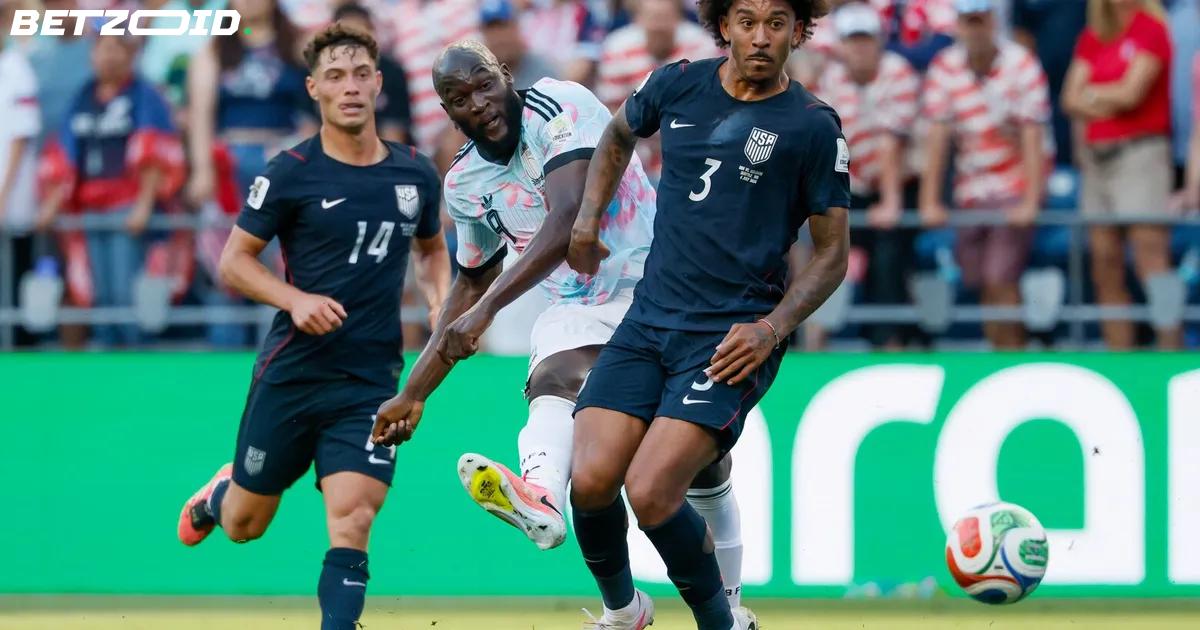
Landon Donovan, arguably the best player the United States has ever produced, put it plainly on the Rich Eisen Show: the most important thing for a young player is to touch a ball and have fun. Not drills. Not formations. Just love of the game.
That sounds simple. In America, it costs $7,000 a year.
That's the mid-level competitive youth soccer fee in Washington State, according to reporting by the Seattle Times. Premier-level players — one tier below the top — might pay double or triple that. So before a kid ever develops a feel for the game, his family needs to find anywhere from $7,000 to $21,000 annually just to keep him on a pitch. The talent pipeline doesn't leak at the top. It gets blocked at the bottom.
Culture beats coaching every time
The broken youth system gets plenty of attention, and rightly so. But there's a harder truth underneath the structural critique: soccer simply isn't embedded in American life the way it is in countries that consistently produce world-class players. There's a difference between signing a kid up for a league and growing up where every patch of grass has a game on it. Elite academies can refine talent. They can't manufacture the instinct that comes from 10,000 hours of street football before the age of twelve.
Brazil is the cautionary tale here. The street pitches where Pelé learned the game have been paved over for real estate. Eighty percent of youth academies now charge fees. The result? Brazil's under-20 side was eliminated from the U-20 World Cup in the group stage last year — the first time in the tournament's history. When you commodify access to the sport, you lose the players who would have been shaped by it organically.
The United States never had those street pitches to begin with.
The Norway model is worth studying
Compare the American approach to Norway — a country that punches so far above its weight it regularly wins the "Per Capita Cup," an index ranking athletic success against population size. Norway's youth sports framework is almost the opposite of America's:
- No scorekeeping until age 13
- No early specialization — kids play multiple sports
- Equal playing time at younger ages
- Fees capped around $1,000 per year
- Limited travel teams for younger children
The outcomes speak for themselves. More Winter Olympic gold medals than nations ten to two hundred times its size. A men's soccer team that reached the World Cup quarterfinals. The principles aren't radical — they're just the opposite of chasing wins and revenue from eight-year-olds.
The "cool" factor matters too, and it's the one problem Norway's model can't solve for the U.S. Football fills bleachers every Friday night. Basketball has a global icon factory. Soccer's American stars — however talented — don't move the cultural needle the same way. Kids aspire to be what they grow up watching. Until soccer players are what American kids want to be, the ceiling on homegrown talent stays where it is.
That makes the USMNT's odds of genuinely competing with the world's elite a long-term project, not a cycle away. The structural fixes are known. The will — and the money redistribution — to actually implement them is another matter entirely.