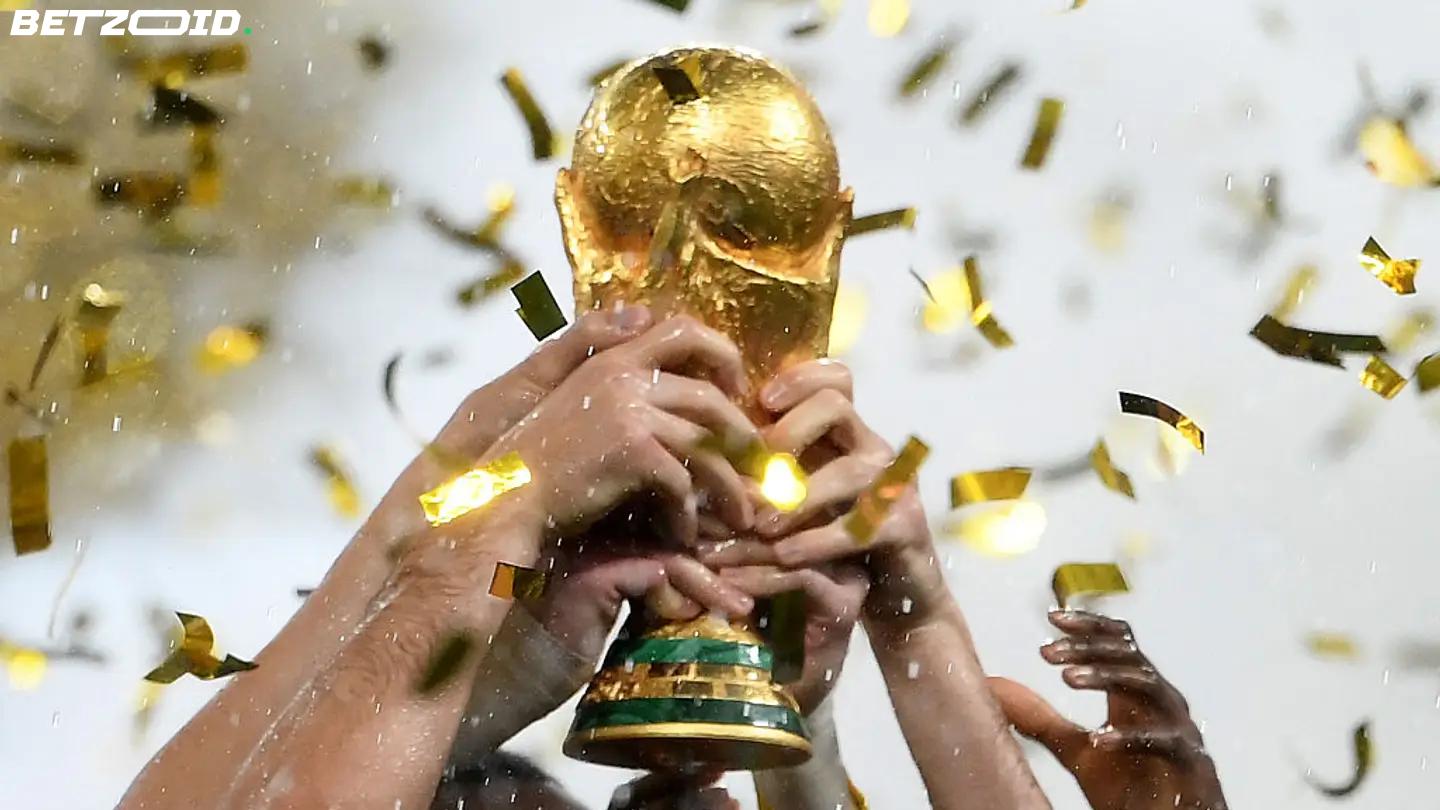
5.4 billion people watched the 2022 World Cup final. The most-viewed event in human history. And yet FIFA still only runs the tournament once every four years. There are good reasons for that — and one very loud failed attempt to change it.
The sheer logistics of staging a World Cup make it almost incompatible with a shorter cycle. The 2026 edition spread across the United States, Canada and Mexico required years of planning, hundreds of millions in stadium renovations, and coordination across three governments, six FIFA confederations, and dozens of domestic leagues. That's not something you spin up every 24 months.
The calendar is already breaking
Modern players are already stretched to the limit. League fixtures, domestic cups, continental competitions like the Champions League or Copa Libertadores, and international windows — stacking a biennial World Cup on top of that isn't a scheduling inconvenience, it's a structural collapse waiting to happen. The quality of the tournament itself would suffer. Tired legs, more injuries, and teams arriving on fumes rather than form.
Qualification matters too. UEFA, CONMEBOL, Concacaf, CAF, AFC and OFC all run lengthy campaigns to whittle down their representatives. Those matches are woven into an already-packed international calendar. Compressing the cycle means compressing qualification — and smaller nations, who often need every qualifying window to compete, lose out most.
There's also the Olympic alignment. Since 1930, FIFA has deliberately placed the World Cup midway between two Olympic Games. Two global mega-events in the same year would cannibalize each other commercially and logistically.
The biennial idea: floated, then sunk
Saudi Arabia's football federation pushed for a World Cup every two years. FIFA president Gianni Infantino got behind it, citing projections that member nations could earn an extra $19 million per cycle. UEFA, players' unions, domestic leagues, and managers came back with a hard no.
The backlash was sharp enough that the proposal was quietly shelved. Infantino's enthusiasm didn't survive contact with the people who actually run the sport week to week.
So the four-year cycle holds — and given the viewing figures the tournament keeps producing, the case for changing it was never as strong as the money suggested.