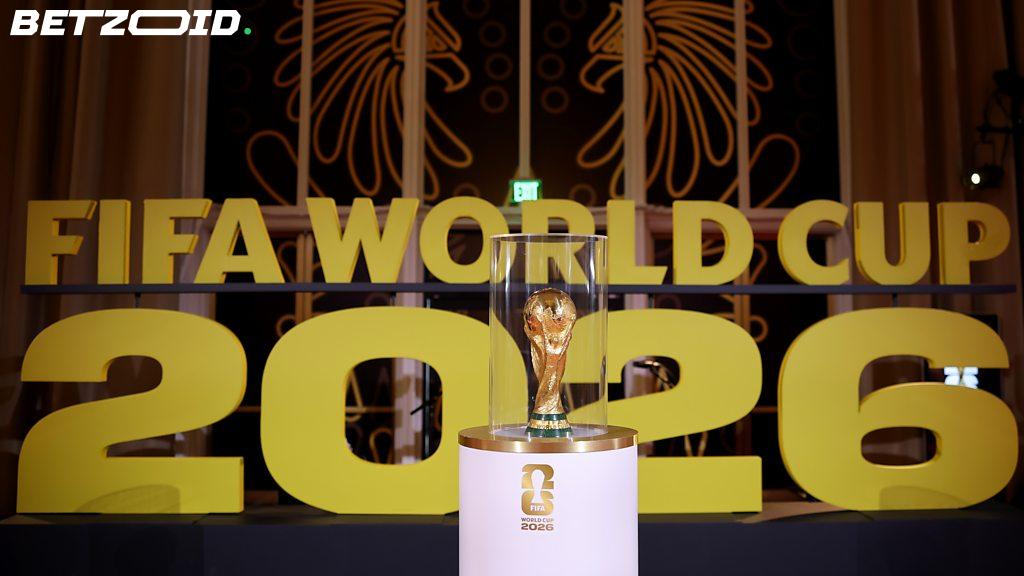
"Football is not a matter of life and death," Bill Shankly once said. "It's much more important than that." He was being characteristically dramatic, but the 2026 World Cup — spread across Mexico, Canada and the USA — is already throwing up stories that prove the old Liverpool manager had a point.
Four stories in particular stand out. None of them are really about what happens on the pitch.
Cornwall, silver mines, and Mexican football
Mexico will open the tournament in Mexico City, with further group stage matches in Monterrey and Guadalajara. Their fans will be loud, passionate, and — improbably — partially Cornish.
Over 150 years ago, a group of miners from Cornwall in the south-west of England packed up their picks and shovels and emigrated to Mexico to dig for silver. They took the game with them. That small community in the British Isles shares a direct historical line to Mexican football culture. When El Tri run out at the Estadio Azteca, there'll be a corner of Cornwall with a genuine claim to some of the credit.
Canada's footballing footprint at this tournament is real — 13 matches hosted on home soil, following on from their experience staging the Women's World Cup in 2015. But the most resonant Canadian story here predates all of it by more than a century.
Harry Manson: a name that deserved to be remembered sooner
In 2015, Harry Manson became the first First Nations athlete inducted into Canada's Sports Hall of Fame. He was a footballer. He was also long dead — his life cut tragically short, his story largely buried for generations.
Through his grandson Gary and historian Robert Jennings, Manson's life is being revisited as a window into what indigenous life in late 19th-century Canada actually looked like. Not a feel-good redemption arc. A complicated, painful, overdue reckoning with history.
Then there's the USA's own foundational World Cup moment. When the Americans hosted the Men's World Cup for the first time in 1994 — controversially, given they had no active professional football league at the time — organiser Alan Rothenberg decided to open proceedings in Chicago with Motown legend Diana Ross headlining the ceremony. It became one of the most iconic moments in World Cup history. Rothenberg has been sharing his memories of how it all came together.
Andy Milne, and what the World Cup is actually for
And then there's Andy Milne. He's been following England at Men's World Cups since 1982. He's in North America now, hoping this finally ends the long wait for a second England triumph.
But ask Andy what the World Cup means to him, and he won't talk about tactics or group stage draws. It's the friendships. The connections made in bars and car parks and train stations across the host nation, with strangers who happen to love the same thing.
High ticket prices, corporate hospitality, and the relentless commercialisation of the game have made it increasingly easy to argue that the fans are an afterthought. Andy's been watching that shift for four decades. He keeps showing up anyway.
England's odds of actually winning the thing remain long. They usually do. But for a certain type of supporter, that's almost beside the point.