Zee Entertainment has locked up exclusive Bundesliga rights in India for the next five years, with coverage kicking off from the 2026-27 season across its Zee5 streaming platform and Unite8 Sports television channels.
This isn't just another distribution agreement. Zee has committed to directing 15% of Zee5's football-related subscription revenues into youth development — meaning every subscriber is, in a small but tangible way, funding grassroots football. The league and broadcaster are also launching the Z X Bundesliga Football Week, a series of coaching clinics and development programmes aimed at young players across the country.
Why India, why now
The Bundesliga's Indian fanbase has grown by over 50% in the past four seasons. That's not a vanity metric — it reflects real investment: club activations, fan events, and on-the-ground youth work that the league has been building quietly for years. Peer Naubert, Bundesliga Media's chief commercial officer, was blunt about the strategy: "India is not simply a market for the Bundesliga; it is a country where we have consistently invested in football, in partnerships and in people."
That kind of language from a rights holder usually means they're serious about tenure, not just reach. A five-year deal backs it up.
For Zee, this extends a growing football portfolio that already includes FIFA World Cup rights — which means the company now controls two of the sport's most recognisable properties in one of the world's largest audiences. Zee operates across 190+ countries and claims a reach of over 1.4 billion people globally. The infrastructure to actually deliver this content at scale exists.
The names that will sell it
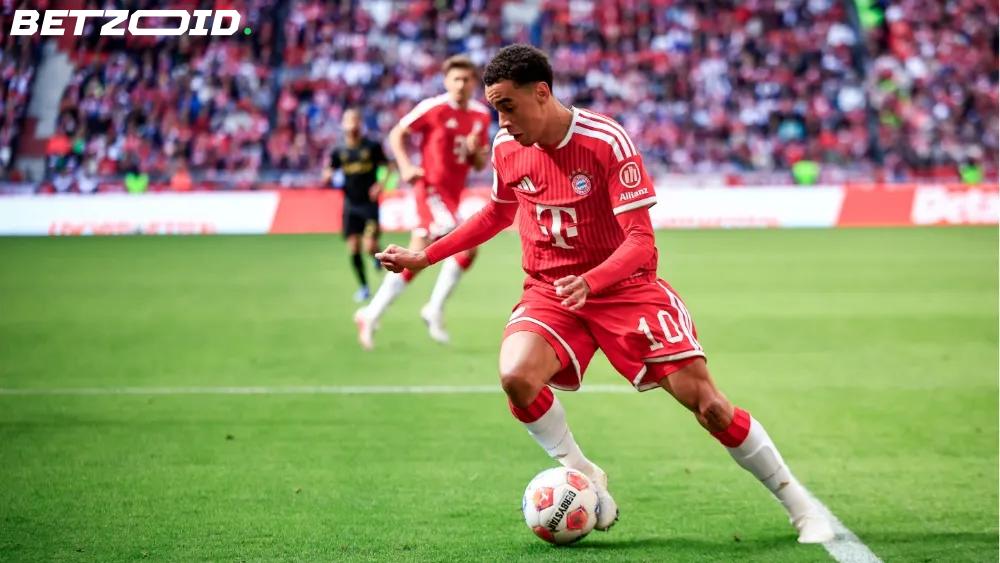
Harry Kane, Jamal Musiala, Michael Olise, Joshua Kimmich — Zee's chief business officer Bavesh Janavlekar namechecked them all when announcing the deal. Shrewd. The Bundesliga's calling card for a new audience isn't the league table or historical prestige; it's the current crop of attackers who actually make the matches worth watching.
Whether the broadcast execution matches the ambition is the question. Rights deals in emerging markets often look better on paper than on screen. But the structural commitment — subscription revenue tied directly to development funding, a five-year runway, grassroots programming — suggests this is being built to last rather than flipped after one disappointing season.