Indian football is getting a proper calendar again. The AIFF has released its tentative 2026-27 schedule, and the headline is straightforward: the Indian Super League is back to a full seven-month run, September 1 through April 11, after this season's truncated format caused by administrative chaos.
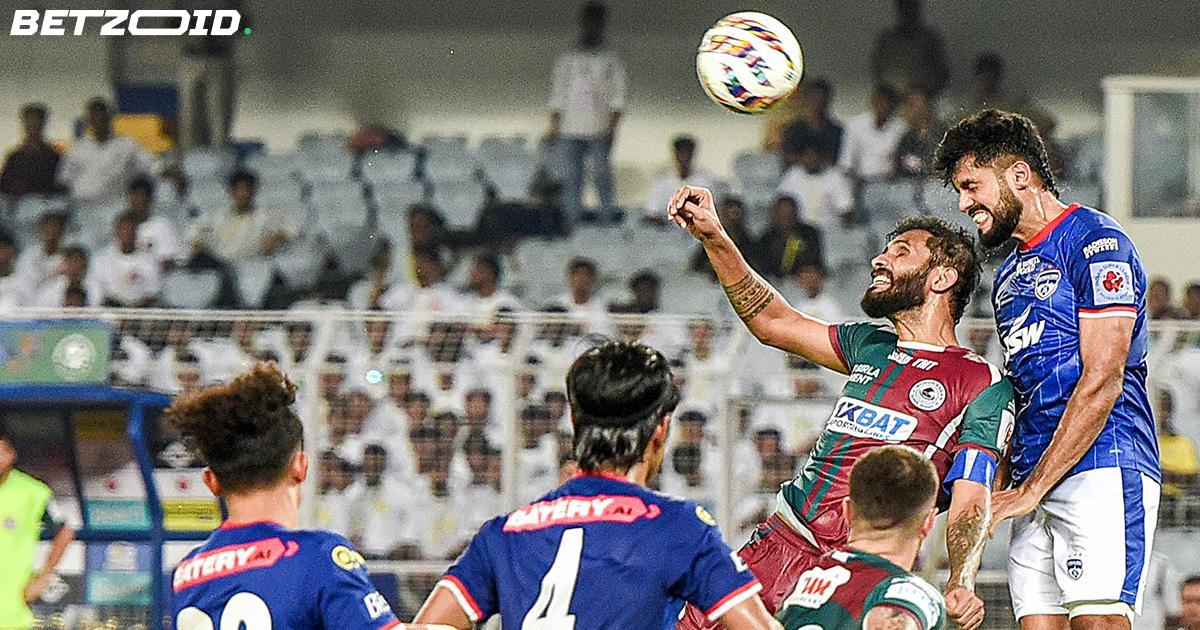
That matters more than it sounds. The single-leg round-robin experiment this year — 91 matches, 13 games per team, no home-and-away structure — left clubs, broadcasters, and supporters underwhelmed. A compressed league strips atmosphere and revenue. East Bengal FC still managed to claim their first-ever ISL title on the final day of the season, edging out arch-rivals Mohun Bagan Super Giant, but the format made it feel smaller than it deserved.
What the full calendar looks like
- Durand Cup: July 11 – August 20 (season opener)
- ISL: September 1 – April 11 (seven-month full season)
- Indian Football League (second tier): October 9 – March 14
- Indian Women's League: September 3 – January 24
- I-League 2: February 1 – April 11
- Third division men's league: August 15 – November 7
- Indian Women's League 2: July 9 – August 22
- Santosh Trophy: November 19 – January 17
- Federation Cup: April 20 – May 10
The Federation Cup slotting in right after the ISL wraps gives the season a clean endpoint rather than just fading out. Whether the scheduling holds is another question — this calendar still requires executive committee approval, and AIFF calendars have a history of shifting.
Why this matters for the competitive picture
A longer ISL season changes the dynamic for title contenders. Mohun Bagan, who finished runners-up to East Bengal this year under the condensed format, have the squad depth to benefit most from a seven-month grind. East Bengal's title run was genuinely impressive, but replicating it over a traditional home-and-away campaign is a different test entirely.
The women's side of the calendar deserves recognition too. The IWL running from September through late January, paired with a second-tier women's competition in July-August, represents a more serious structural commitment to women's football than India has previously shown on paper — though structure and execution have often diverged.
East Bengal are the reigning ISL champions. By the time September 2026 arrives, they'll find out whether they built a dynasty or caught lightning once.