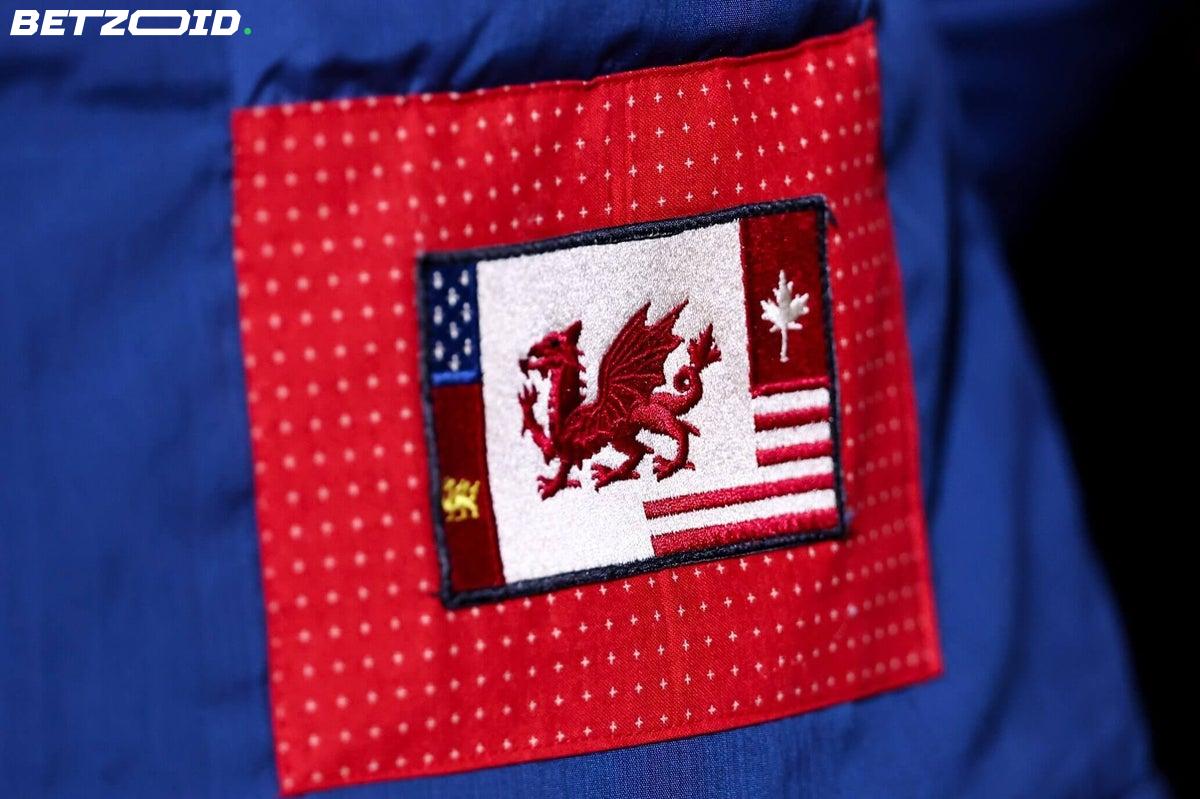
When Wrexham host Chelsea in the FA Cup this weekend, it's more than just a classic David vs Goliath story. It's actually a meeting between two clubs that completely changed how football ownership works.
On the surface, this looks like a typical FA Cup upset opportunity. A rising Championship side taking on a Premier League giant. But dig deeper and you'll find something way more interesting.
Chelsea, under Roman Abramovich, basically rewrote the rulebook on football ownership in the early 2000s. Now Wrexham, with Ryan Reynolds and Rob Mac at the helm, might be showing us the future.
How Abramovich Changed Everything
When Abramovich bought Chelsea in summer 2003 for £140 million, it was like a bomb going off in the Premier League. Sure, football had seen rich owners before. But never anyone willing to spend like this Russian oligarch.
"So much of where we are today can be traced back to that moment," says Christina Philippou, a sports finance professor at the University of Portsmouth. The spending spree at Stamford Bridge forced every other big club to rethink their approach.
Suddenly, money started flooding into English football from everywhere. American investors saw the Premier League as a bargain compared to U.S. sports franchises. Malcolm Glazer's Manchester United takeover in 2005 kicked off that trend.
Even when Abramovich was forced to sell Chelsea in 2022 after Russia invaded Ukraine, he left his mark. The £2.5 billion sale price showed just how valuable Premier League clubs had become. That's nearly 18 times what he paid 19 years earlier.
The Wrexham Revolution: Fame Meets Football
Fast forward to 2021, and Ryan Reynolds decides to buy a struggling Welsh club in the fifth tier of English football. Sounds crazy, right? But it might be genius.
Reynolds and Mac didn't just buy a football club. They built a content empire around it. Their docuseries "Welcome to Wrexham" has won 10 Emmys and made the club famous in America.
The results speak for themselves. Wrexham generated £13.18 million in commercial revenue while playing in League One in 2023-24. That's incredible for a third-tier club. Their secret? Social media savvy and celebrity power.
"What they've recognised is that there's no real limit to the commercial revenue you can make," says Charlie Methven, a football executive. While stadium capacity and TV money are fixed, smart marketing can generate unlimited income.
Keith Wyness, former CEO of Everton and Aston Villa, sees Wrexham's timing as perfect. "There was an intersection of money plus technology post-Covid," he explains. Reynolds saw he could use his massive social media following to build something special.
For bettors watching Saturday's match, don't underestimate Wrexham's momentum. They're chasing a fourth consecutive promotion and have genuine belief. Chelsea might be favorites, but cup upsets happen when smaller clubs have this kind of positive energy.
The match itself carries extra meaning. These clubs have already faced each other twice in pre-season friendlies in the U.S. If Wrexham reach the Premier League through the Championship playoffs, such meetings could become regular occurrences.
Other clubs are taking notice. Hashtag United built a YouTube following of 600,000 subscribers. This week, influencer KSI joined the ownership of Dagenham and Redbridge. The Wrexham model is spreading.
"I think what Wrexham has done is demonstrated that it is actually possible to communicate to an awful lot of people outside of your own locality," Methven adds. You don't need to be a Hollywood star to learn from their approach.
The key difference from Abramovich's era? Financial regulations now limit how much owners can simply pump into clubs. Revenue growth through smart marketing and storytelling is the new path to success.
So when you watch Wrexham vs Chelsea on Saturday, you're watching two different football revolutions meet on the pitch. One changed football through massive spending. The other might change it through clever content and digital engagement.
Win or lose, Wrexham have already won in a bigger sense. They've shown smaller clubs everywhere that you don't need billions to compete. You just need a great story and the skills to tell it.