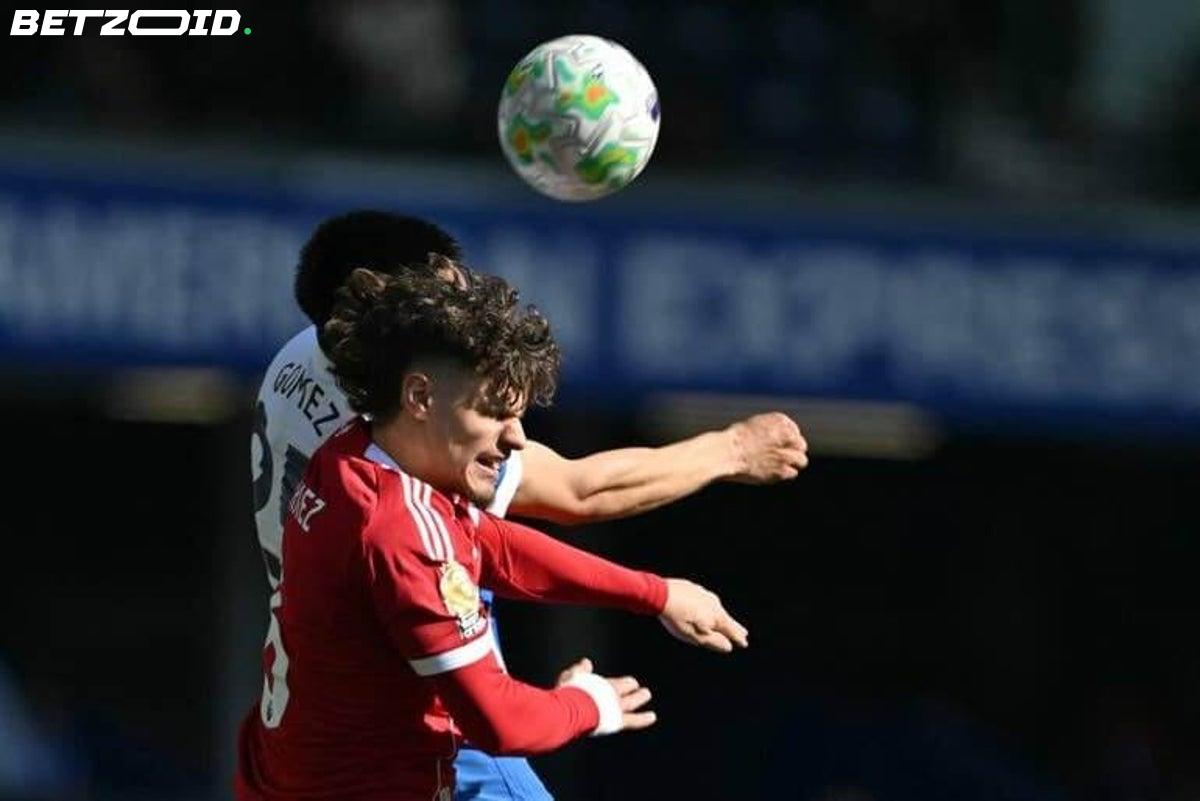
Raphael Varane has spent years saying football damaged his brain. Now he's on a club board that's actually doing something about it. Como have introduced some of the most structured heading restrictions seen at club academy level in Europe, and the detail matters.
The Serie A side — who are about to make their Champions League debut next season — have rolled out a tiered system across their youth teams that limits, and in some cases eliminates, heading entirely. Under-10s won't head the ball at all, in training or matches. Corners are replaced by floor-level throws. Throw-ins become ground passes. The game is reshaped around the fact that young brains simply shouldn't be absorbing repeated impacts.
What the rules actually say
At under-11, heading techniques can be introduced late in the season — but only with a light rubber ball. Under-12s get heading once a month, maximum five headers per session, again with a rubber ball. Under-13s train with headers once a week, five per session cap, and throw-ins are kept below head height.
That's not a symbolic gesture. That's a structured, age-gated curriculum built around neurodevelopment rather than tradition.
Varane, who sits on Como's board of education, didn't hold back: "This pathway reduces unnecessary contact at the youngest ages, when the brain is still growing, and then teaches the skill properly, step by step, with the right control." Coming from someone who has spoken publicly about how his own body was "damaged" by heading throughout his career at Real Madrid, Manchester United, and with France, that carries weight beyond a PR quote.
The science isn't subtle
A 2023 study commissioned by the FA and PFA found neurodegenerative diseases were three times more prevalent in retired professional footballers than in the general population. Five of England's 1966 World Cup final starters were diagnosed with dementia. Nobby Stiles headed a ball an estimated 136,000 times during his career before dying with CTE in 2020. Jeff Astle's death in 2002 was ruled an industrial injury.
A Loughborough University study published earlier this year identified "distinctive pressure waves" in the frontal brain region on contact — energy transfer that researchers linked to the same mechanics behind low-level military blast injuries. That's the science sitting behind what looks, on paper, like a youth football policy document.
Como aren't alone in moving this direction. The FA has been phasing heading out of under-12 matches since 2024. U.S. Soccer banned it entirely for under-10s back in 2015. IFAB trials have tested indirect free-kicks for deliberate headers in children's matches. The direction of travel is clear — Como are just further along the road than most clubs.
Head of development Osian Roberts framed it as a technical benefit too, not just a welfare measure — removing heading early lets young players develop the rest of their game without shortcutting to aerial duels. That's the argument that tends to land with coaches who are still unconvinced by the neuroscience alone.
The club will review the guidance throughout the season. For now, they've put the most specific, publicly documented heading framework of any European club on record. The rest of the game is watching.