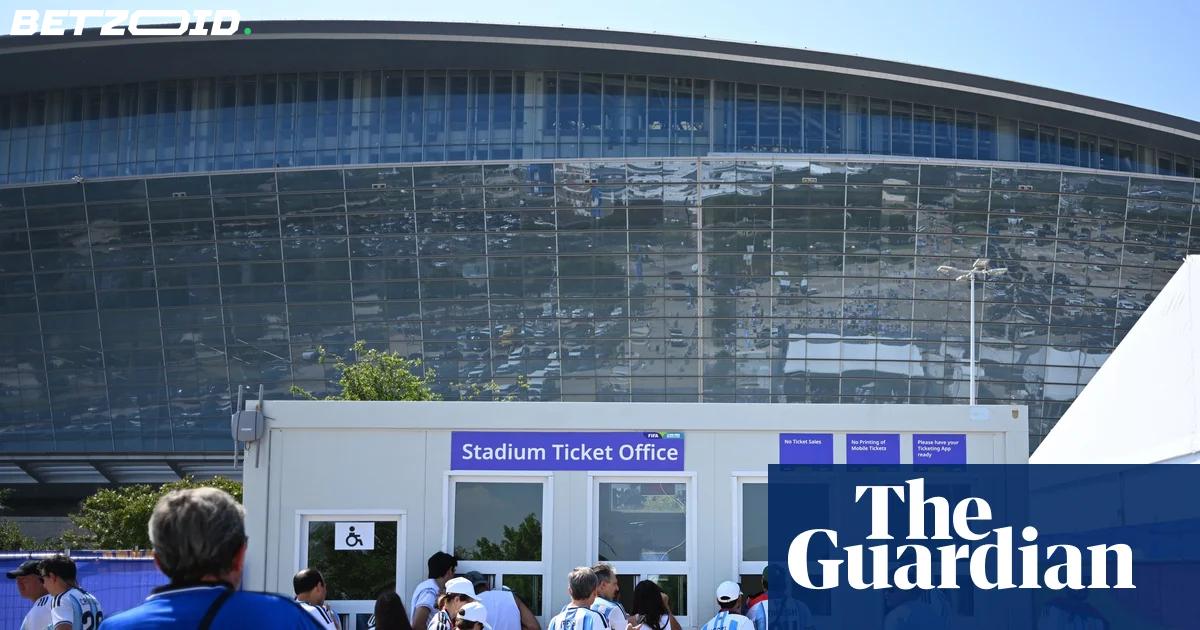
FIFA's leadership overruled US-based staff who pushed for more affordable ticketing at the 2026 World Cup, multiple sources involved in delivering the tournament have told the Guardian. The organisation decided this was too good a cash opportunity to leave on the table — and the numbers back that up, even if the ethics don't.
Some staff in FIFA's Miami office initially favoured a strategy that prioritised accessible pricing in general admission areas. They were overruled. FIFA's executive committee signed off on dynamic pricing instead, framing the tournament as a once-in-a-generation chance to extract maximum revenue from the depth of American demand and spending power.
The pricing that followed
Group stage tickets ranged from $60 to $2,735. Final tickets topped out at $7,875 through official channels — and up to $28,500 on the legal US secondary market. For comparison, Qatar 2022 tickets ran from $69 to $1,607. That's not a modest inflation adjustment. It's a completely different commercial philosophy.
FIFA projects $3bn from ticket sales alone, part of a projected $11bn total World Cup revenue. With 99.54% occupancy across the first 36 games, it's hard to argue the market didn't absorb the prices. Sold out is sold out.
Those occupancy figures matter beyond the optics. They suggest FIFA's pricing model, however aggressive, didn't actually kill demand — which makes any future pushback against dynamic pricing at major tournaments that much harder to sustain. If the numbers keep looking like this, expect the model to travel.
Infantino's defence doesn't quite hold up
Gianni Infantino claimed on the eve of the tournament that lower prices would have simply pushed more volume onto secondary markets, depriving football of revenue. "Where would the money go then? Well, to those who organise secondary markets or black market activities," he said.
There's a sliver of logic there. But his claim that the average ticket price was below $500 — comparable to US playoff sports — only holds when secondary market resales are factored in. On primary market prices alone, NFL wildcard games averaged $230 last season. NFL conference championships averaged $450. FIFA's $60-to-$2,735 group stage range sits in a different universe from those benchmarks.
The 2018 bid book submitted by the US, Canada, and Mexico explicitly stated they had "not factored in dynamic ticket pricing" and had not applied premiums to high-end seats — "per instruction" from FIFA itself. That instruction, apparently, did not survive contact with the American market.
FIFA insists the pricing strategy was "agreed with all areas of the organisation" and that "no alternative plans were ever presented." The sources who spoke to the Guardian say otherwise.