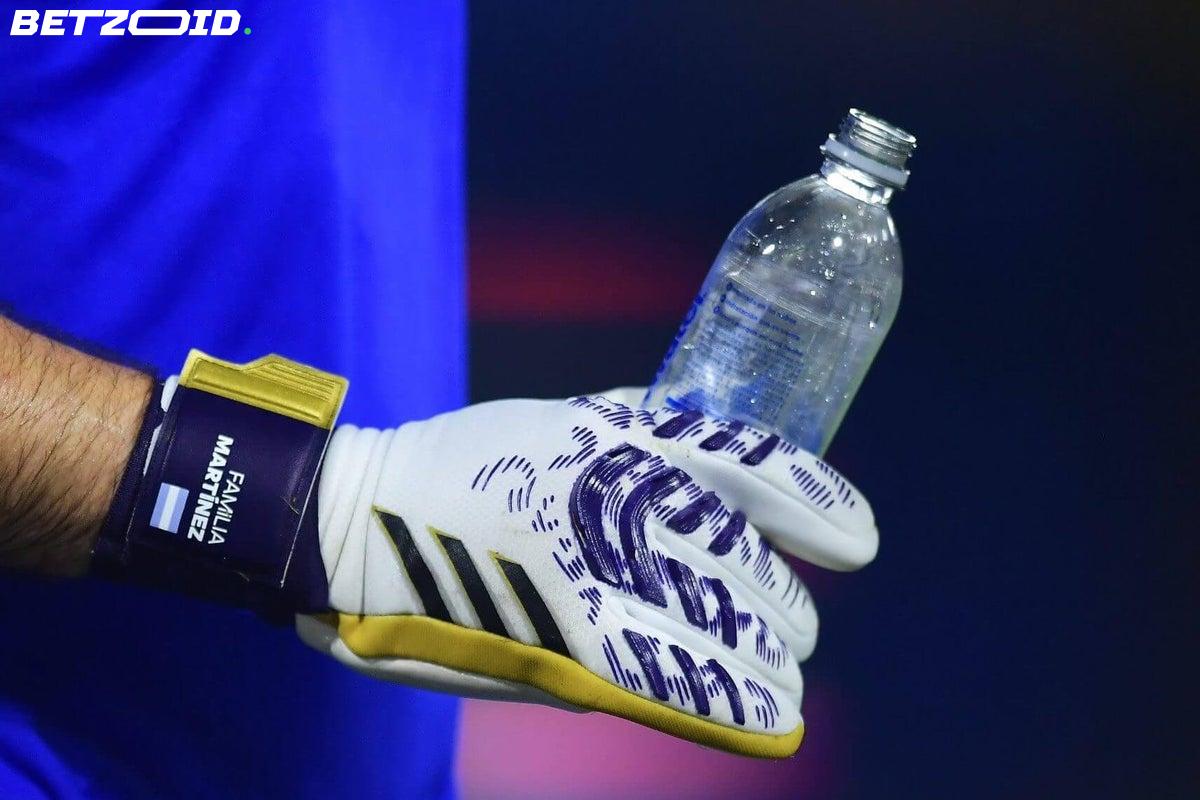
"Water is essential to the players' safety. But for the fans, it is not essential — it is a commodity." That line, from Football Supporters Europe executive director Ronan Evain, is the sharpest summary of FIFA's 'Watergate' fiasco. Three contradictory policies in the space of days, and it took a New York City mayor, a Toronto mayor, and the British Prime Minister piling on before FIFA blinked.
Here's where things actually stand heading into the June 11 opener.
What fans can bring — and what's still unclear
After originally permitting empty reusable bottles, then quietly banning them entirely on June 2, FIFA has now confirmed that fans attending games in the United States and Canada can bring one factory-sealed, soft plastic 20oz (590ml) disposable water bottle into stadiums.
Mexico, however, is a different story. Chief operating officer Heimo Schirgi made no mention of the Guadalajara, Monterrey, or Mexico City venues in his reversal announcement, and FIFA has yet to clarify whether the same rule applies there. Fans travelling to Mexican venues should assume nothing until FIFA says otherwise.
Stadium water prices are expected to run between $6 and $9 at most venues — Atlanta is the outlier, with prices potentially as low as $2. Not exactly a bargain when you've already spent a fortune on tickets, parking, and accommodation.
Why this matters beyond the politics
At least 26 of the 104 group-stage and knockout matches are projected to be played when the host city's Wet Bulb Global Temperature — a measure combining heat, humidity, wind, and sunlight — exceeds 26°C (78.8°F). Five games are expected to exceed 28°C (82.4°F). These aren't abstract numbers. At the 2024 Copa America final in Miami, fans were queuing in the heat with no access to water and ended up seeking relief from the fire department.
The original ban had the fingerprints of commercial interest all over it. FIFA's agreements with host cities mean concession revenue flows primarily to FIFA and its affiliates — not to the venues or local governments. Toronto's mayor called it a "pure money grab." Keir Starmer, not someone who typically weighs in on stadium policy, told LBC: "It's just wrong. I can't help but think it's about making money."
- One factory-sealed, soft plastic 20oz disposable bottle is permitted in US and Canadian venues
- Mexico venues: policy remains unconfirmed — check for updates before attending
- Stadium water prices expected between $6–$9 at most venues; Atlanta could be lower
- Prohibited items include umbrellas, selfie sticks, vuvuzelas, air horns, and any sharp objects
- Large banners and tifos must be pre-coordinated with FIFA; discriminatory messaging is banned outright
Mild dehydration — as little as two percent of body weight lost — measurably impairs physical performance. At five percent, work capacity drops by roughly 30 percent. Even Premier League players in cool English conditions lose around two litres of fluid per match. In June heat across Texas, California, or Florida, that figure can hit five litres. The idea that fans standing in those same conditions for three-plus hours didn't need hydration support was never credible.
FIFA reversed course because the pressure became politically untenable, not because of any sudden concern for fan welfare. That distinction is worth keeping in mind when the next policy quietly changes.