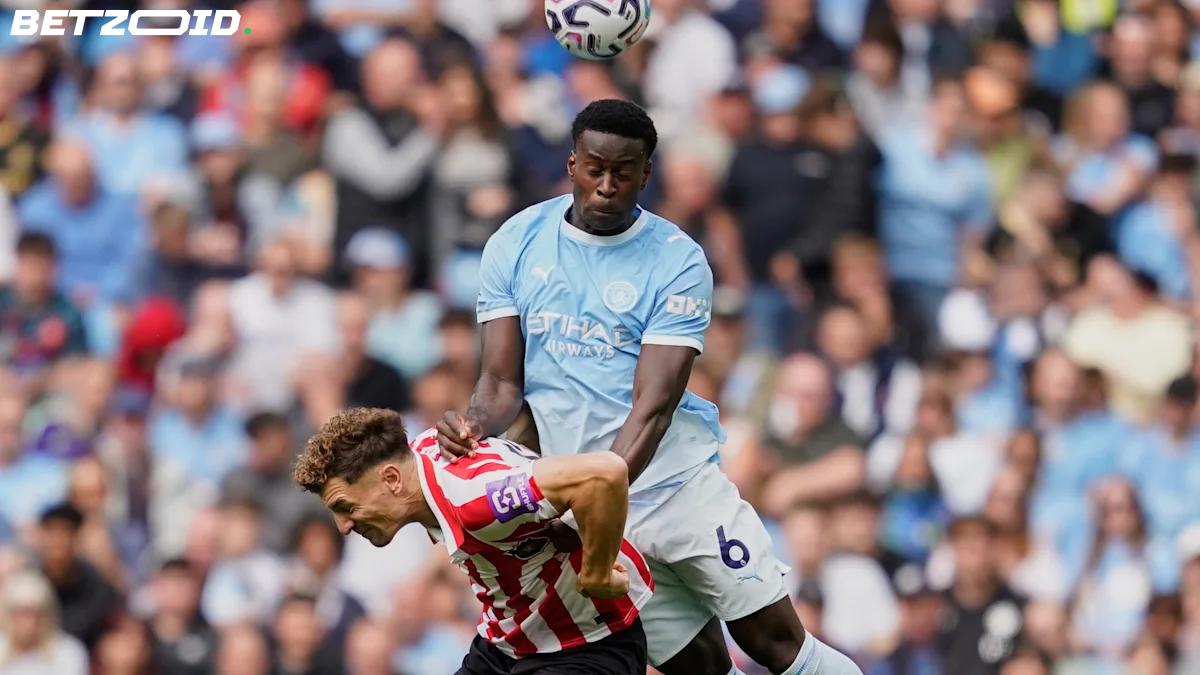
"Maybe," said Marc Guehi, when asked if taking the knee had lost its meaning. That single word probably cuts deeper than a thousand-word statement ever could.
The Manchester City defender — who is Black — didn't take the knee before Saturday's Premier League home game against Ipswich, one of two rounds of fixtures dedicated to the competition's "No Room For Racism" campaign. It wasn't a one-off. Guehi says he hasn't been doing it for a while, opting instead to clap — a choice he's deliberately made but declined to explain in detail.
A gesture running out of road
The knee was introduced in June 2020 in the immediate wake of the George Floyd protests and the global surge of the Black Lives Matter movement. It landed with weight then. Context matters with symbolism, and that moment had plenty of it. But the Premier League quietly dialled it back from 2022-23, reserving the gesture for specific campaign rounds rather than every match — and even then, participation has become increasingly uneven.
Guehi isn't alone. Leeds striker Dominic Calvert-Lewin stood while teammates and Manchester United players knelt on the same weekend. Manager Daniel Farke backed him: "Each individual is different and shows respect for this campaign in a different way." Wilfried Zaha went further back in 2021, calling the gesture "degrading" and saying the meaning had dissolved into routine. "I think the meaning behind the whole thing is becoming something that we just do now. That's not enough," Zaha said.
That's the crux of it. When a symbol becomes habit, it stops being a statement.
Football can't solve this alone
Guehi was careful not to dismiss the campaign entirely. He called the Premier League's ongoing anti-racism work "great" and flagged that he hopes to work with the PFA and the league on pushing things further. But he was equally clear that expecting football to carry the load isn't realistic. "I don't think it's necessarily a football issue. I think it's a wider societal issue and football is that beacon of hope to try to get the message out."
That's a fair and honest read. Football has the reach, but not the power to fix what happens outside the stadium. The question — one nobody seems to have a clean answer to — is what replaces the knee as a meaningful act rather than a choreographed moment that fans and players have both stopped registering.
Premier League CEO Richard Masters described the current initiative as using "the reach of our players to send an important message." Whether that message is still landing the way it was intended is exactly what Guehi is questioning. And he's playing for Manchester City, in the middle of a "No Room For Racism" campaign weekend. If the players closest to this issue are asking whether the approach still works, that's a signal the league probably shouldn't ignore.