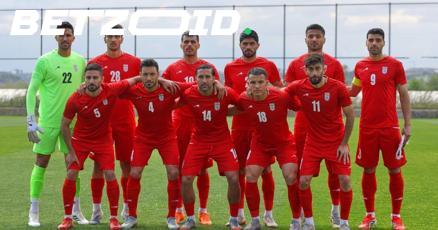
Gianni Infantino flew to a Turkish resort, watched Iran beat Costa Rica 5-0, and left having done more for World Cup diplomacy in one afternoon than a month of mixed signals from Washington had managed. Iran is going to the United States in June. That's the clearest picture yet.
The face-to-face meeting between FIFA's president and Iranian federation officials in Antalya — the first since the US and Israel began military operations against Iran on February 28 — produced what the Iranian federation described as a genuinely productive exchange. Infantino told the room he was "at your service, and if you need help, I will provide it." FIFA later confirmed that readout was accurate.
Mexico is off the table — FIFA has been clear about that for weeks
One thing conspicuously absent from Iran's post-meeting statement: any mention of relocating World Cup games to Mexico. Infantino has shut that conversation down repeatedly, telling Mexican broadcaster N+Univision there is no Plan B for Iran — only Plan A. With roughly 200,000 tickets sold across Iran's three group games and fans, broadcasters, and sponsors already locked into travel arrangements, moving venues would trigger a compensation nightmare FIFA has zero appetite for.
Iran's schedule remains intact. They open on June 15 against New Zealand at the Rams' stadium in Inglewood, face Group G top seed Belgium in the same venue six days later, then close out against Egypt in Seattle on June 26. The delegation is due at their Tucson training base — Kino Sports Complex in Arizona — no later than June 10.
The squad at least got some game time this week. A 2-1 loss to Nigeria and then the 5-0 demolition of Costa Rica, both played behind closed doors in Antalya, were the first competitive action most players had seen since Iran's domestic league suspended during the war. Infantino stayed on to watch the Costa Rica game. That kind of visible presence matters in a situation this politically charged.
A squad with complications beyond the scoreline
Not everything is straightforward on the football side either. Sardar Azmoun — Iran's most recognisable striker — was reportedly excluded from the squad on the orders of state authorities after posting a photo with UAE political leaders on social media. Whether he's available by June is unclear.
During the national anthems in Antalya, Iranian players held up children's backpacks and photographs of war victims. The political backdrop to this World Cup campaign isn't fading — it's present in every squad selection, every travel plan, every visa application. Several Iranian federation officials, including president Mehdi Taj, were denied US visas around the time of December's World Cup draw. That issue is unresolved.
Iran in Group G sitting alongside Belgium and Egypt makes for a genuinely competitive group — Belgium's odds as top seeds will be watched closely given Iran arrived here under extraordinary circumstances and still put five past Costa Rica. A team this disrupted that can still produce a performance like that is not one to dismiss lightly. Their preparation window is short and chaotic, but they are preparing.
The Iranian delegation arrives in Tucson by June 10. Everything between now and then is managed uncertainty.