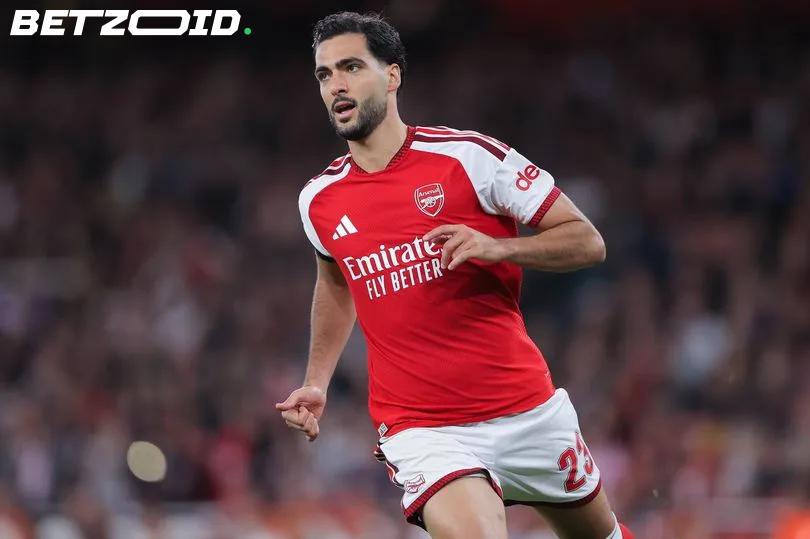
"I think I have an angel on my shoulder. I'm actually fortunate to be alive at all." That's Mikel Merino, Arsenal midfielder, reflecting on the night in April 2017 when three pipe bombs detonated beside the Borussia Dortmund team bus.
The squad were travelling to Signal Iduna Park for a Champions League quarter-final against AS Monaco when the attack happened. Windows shattered. The bus nearly tipped. Defender Marc Bartra was hospitalised with a fractured and severely lacerated wrist. And Merino, then 20 years old, was supposed to be sitting right next to him.
The seat that wasn't taken
He wasn't there because his legs felt tight before the journey. The seats at the front reclined, so he moved up. That small, unremarkable decision is the reason he's playing for Arsenal today.
"The next day, someone told me that a huge piece of shrapnel was lodged in the headrest of the seat next to Marc," Merino told The Players' Tribune. "My usual seat. That day, the seat was empty."
Writing that off as luck feels inadequate. Merino doesn't. He's held onto it — the belief that things happen for a reason — and that conviction carried him through something equally frightening eight years later.
A stress fracture nobody had seen before
Last January, Merino fractured his foot in a way that stumped specialists. The doctor who scanned it had been practising for 30 years and had never encountered a stress fracture in that location. He contacted five of the leading specialists worldwide. None of them had either.
With no clear roadmap for recovery, two screws were inserted into his left foot. Merino's response: "Vamos, put 'em in."
That attitude matters for Arsenal. Merino is 30, central to Arteta's midfield setup, and — when fit — one of the more complete players in the squad. His injury last season disrupted their title push at a critical point. A player who draws on surviving a bombing to get through a surgical unknown isn't one who folds under pressure.
"A lot of young people probably would not even believe that it happened, or how bad it was," he said of the Dortmund attack. "But it marked us all."
It clearly still does.