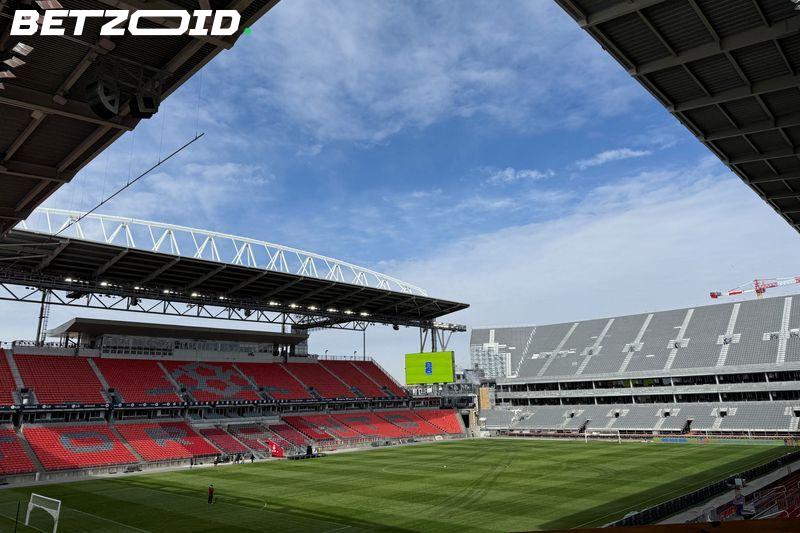
Ontario just made FIFA blink. After the Canadian province passed legislation banning above-face-value ticket resales, FIFA has quietly removed all Toronto World Cup matches from its official resale marketplace — the only venue out of 16 to get pulled.
The law, branded the 'Putting Fans First Act', is straightforward: no ticket can be listed on the secondary market for more than its face value. FIFA, which runs its own resale platform and allows sellers to charge whatever the market will bear, had no legal room to keep Toronto listings up. So they came down.
The context here matters
This isn't a small inconvenience. Six Toronto matches are now off the resale platform entirely, including Canada's opening fixture against Bosnia on June 12 — the game every Canadian fan actually wants to attend. Every other venue across the U.S., Canada, and Mexico continues trading normally.
FIFA's marketplace has been a PR mess throughout this tournament cycle. The governing body defends it by pointing to its not-for-profit status and claiming resale revenue funds football development globally. That argument gets harder to sell when one seller had a Category 3 final ticket listed for nearly $11.5 million. Not a misprint — eleven and a half million dollars, for a single ticket.
FIFA says Toronto listings will return once they're restructured to comply with Ontario's new rules. With over five million of a projected six million tickets already sold, the last-minute sales phase is still running and more inventory will be released through to the July 19 final.
What punters and fans should know
If you're chasing Toronto tickets through the official channel, face-value inventory remains available in FIFA's last-minute sales phase — and that's now your only legitimate route beyond the secondary market. Third-party resale is still legal; Ontario's law targets the platforms facilitating above-face-value sales, not individuals quietly flipping tickets. Whether enforcement has teeth is another question entirely.
Canada's opener is already a sell-out in demand if not in available tickets. The price cap will keep official resale sane. Whether that translates to actual availability is a different problem.