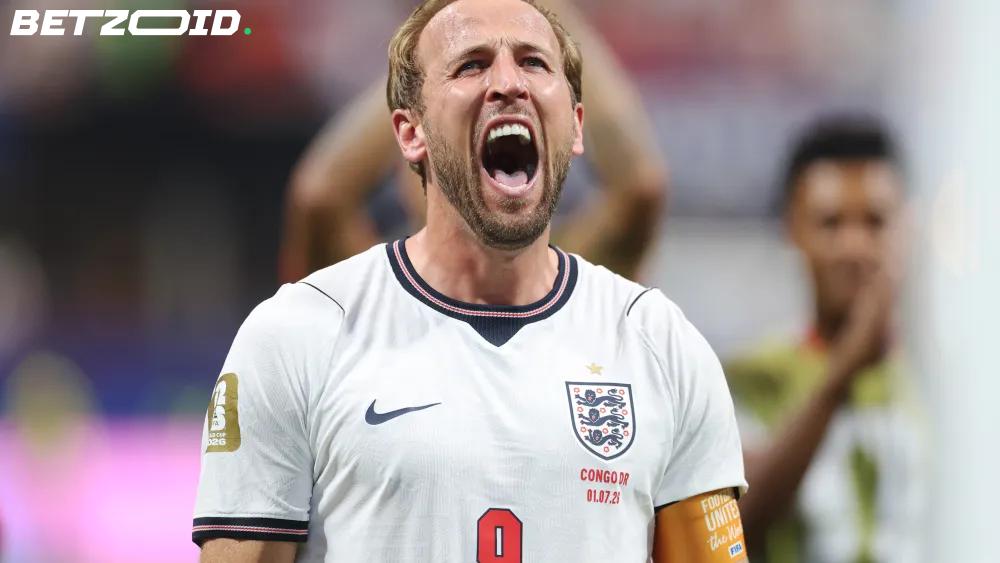
"We're seeing numbers for some of these matches that we don't see for anything but the NFL." That's Fox Sports' president of insight and analytics Michael Mulvihill — and he's not selling tickets. He's reading data.
Twenty-five days into the 2026 FIFA World Cup on home soil, the tournament has stopped being a question and started being a statement. Fox Sports, Telemundo and Peacock have all set viewership records. Sponsors are happy. And soccer has, for the first time, genuinely dominated American pop culture for an entire summer.
The numbers are not subtle
The U.S. Men's National Team's 2-0 win over Bosnia-Herzegovina on July 1 drew 24.4 million viewers on Fox — the most-watched English-language soccer telecast in U.S. history. Factor in Telemundo and Peacock's Spanish-language audience and that figure is expected to climb toward 40 million. Then the USMNT faced Belgium on Monday in a Round of 16 match in Seattle, and Fox and Telemundo were already expecting that record to fall again.
Fox has averaged 5.05 million viewers per telecast across the 72 Group Stage matches. A Scotland-Haiti match — not exactly a fixture designed to stop American channel-surfers — pulled 6 million viewers. Uruguay vs. Cape Verde drew 6.2 million. Mulvihill's summary: "A lot of us can't find those countries on a map, and we're still seeing huge audiences for these games."
That's the part that matters most to how you read this tournament. The audience isn't showing up because they know the players. They're showing up because the event itself has become unmissable.
What this actually means for soccer in the U.S.
Out-of-home viewing — stadiums, bars, fan fests, watch parties — is now measured by Nielsen and accounts for roughly 25% of the audience. Fox has 6 billion digital and social views since June 11, with over 1,000 individual videos crossing a million views each. The platform has added more than 6 million new social followers in less than a month.
For context on the cultural footprint: Mulvihill says he can't identify a film, a song, or any other piece of pop culture this summer that's come close to rivalling the World Cup for "controlling the conversation." That's a strong claim. It's also hard to argue with.
The U.S. team itself has been a focal point. Goalkeeper Matt Turner described the atmosphere as "the college football scene mixing with the U.S. soccer scene" — fans singing John Denver's "Take Me Home, Country Roads" after wins, creating their own traditions rather than borrowing from European fan culture. Fox commentator and two-time World Cup winner Carli Lloyd put it plainly: "It's been a long time coming here in America for the fan base to be like this."
- USA 2-0 Bosnia-Herzegovina (July 1): 24.4 million viewers on Fox — all-time record for English-language soccer in the U.S.
- Mexico vs. Ecuador (June 30): 10.4 million on Fox
- Scotland vs. Haiti: 6 million viewers against the NBA Finals clincher
- Uruguay vs. Cape Verde: 6.2 million
- Fox Sports Group Stage average: 5.05 million per match
The July 19 final at MetLife Stadium in New Jersey is now shaping up as one of the most-watched sporting events in U.S. television history. England, France, Argentina and the USMNT are all still in contention. Fox and Telemundo are bracing accordingly.
President Trump even inserted himself into the storyline, lobbying FIFA over USMNT striker Folarin Balogun's red card after the Bosnia win — and Balogun was subsequently cleared to play against Belgium. However you read the politics, it's the kind of story that only happens when a tournament has truly captured a nation's attention.
"This whole thing has been about a really exuberant fan experience," Mulvihill says. "Leaning into national pride and fan identity." The final is three weeks away. The audience is only going to grow.