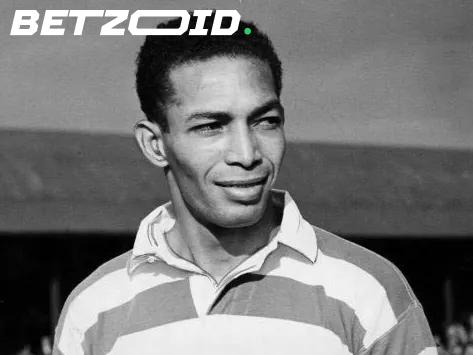
Gil Scott-Heron's father played for Celtic. That alone would be a footnote worth knowing. But Gil Heron's story is something else entirely — a Jamaican-born trailblazer who broke barriers on two continents before most people had even started asking the question.
On August 18, 1951, Heron stepped out at Celtic Park for a League Cup tie against Morton and became the first black footballer to play a competitive match for the club. Celtic won 2-0. Heron scored the second. Seventy-five years on, it's worth sitting with how extraordinary that moment was.
A career that rewrote the rulebook
Born in Kingston, Jamaica in 1922, Heron had already made history before he ever pulled on the Hoops. In 1946, he became the first black professional soccer player in the United States when he debuted for the Detroit Wolverines — a feat achieved against a backdrop of relentless racial abuse that would have finished most careers before they started.
He was spotted by a Celtic scout during the club's 1951 North American tour and signed almost immediately. His five appearances for Jimmy McGrory's side also yielded a second goal — the only strike in a 1-0 League Cup win over Airdrie. Compact record. Outsized significance.
Charlie Tully remembered his yellow shoes. Bobby Collins and Sean Fallon counted him as a friend. Heron, by all accounts, lit up Glasgow's nightlife as much as he lit up its football grounds.
The legacy he left behind
After Celtic, he had spells with Third Lanark and Kidderminster Harriers before heading back to America to finish with the Windsor Corinthians. But it was Parkhead that stayed with him. In his poem 'The Great Ones', he reflected on his time in Scottish football with unmistakable pride.
His son, the musician Gil Scott-Heron — widely credited as the Godfather of Hip-Hop — told a Scottish journalist in the early 2000s: 'My father still keeps up with what Celtic are doing. You Scottish folk always mention that my Dad played for Celtic, it's a blessing from the spirits!'
Gil Heron died in Detroit in November 2008. His name sits alongside Jesse Owens, Jack Johnson, and Jackie Robinson in the history of black athletes who changed what was possible in sport — he just never quite got the same billing. That's the part worth remembering today.