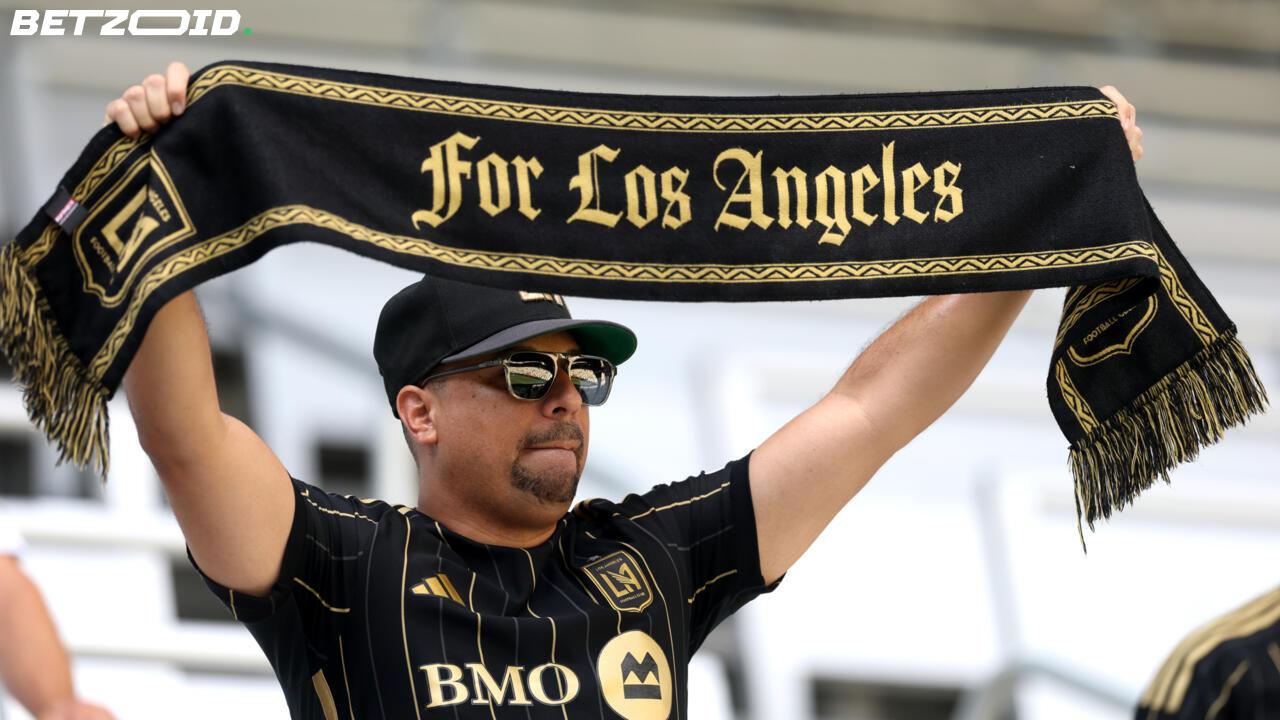
"I want Atlanta United fans in London, in Germany." That line from CONCACAF president Victor Montagliani pretty much sums up where Major League Soccer thinks it's headed — and how far it still has to go to get there.
With the United States co-hosting the World Cup this summer alongside Canada and Mexico, MLS officials gathered in Atlanta this week to map out how the league turns a global sporting event into a permanent global following. Commissioner Don Garber was direct about it: the league's future "is going to be to grow our fan base and our business outside the United States and Canada."
That's a significant pivot for a league that, until very recently, has been almost entirely focused on domestic growth. And that domestic growth has been real — 12 million fans through the gates last year, second only to the Premier League. But second in attendance doesn't mean second in cultural relevance, and everyone in that Atlanta conference room knows it.
The salary cap ceiling
Here's the structural problem MLS can't fully escape: European leagues have no salary caps. Real Madrid and Manchester United don't just have tradition — they have the financial firepower to sign whoever they want, whenever they want. MLS clubs can bypass their cap restrictions for a handful of designated players, but the squad depth at most MLS sides still doesn't compare to a mid-table Premier League outfit.
The league leaned hard on marquee signings to build credibility — Beckham in 2007, Messi in 2023, and now Antoine Griezmann joining the party. Messi's arrival came with exceptional revenue-sharing arrangements with Apple. Beckham got a franchise at a heavily discounted price. These deals moved the needle.
Garber this week effectively said that era is closing. When asked about Mo Salah — who has confirmed he's leaving Liverpool — the commissioner wasn't exactly rolling out the red carpet. "I'm not sure the league needs to get involved in those kinds of deals going forward," he said. He'd still love to see Salah in MLS, but the days of the league engineering extravagant packages to lure superstars appear to be over.
That's either a sign of confidence or a cap on ambition, depending on how you read it.
What the World Cup actually offers
The more practical play is the World Cup itself. MLS is planning a major marketing push to convert casual World Cup attendees into long-term league followers. Brian Bilello, president of New England Revolution, made a pointed argument about the facilities angle — top-10 national teams have used MLS training centers and come away impressed. "This is better than the training center I train at with my club every day" is a quote Bilello says he's heard from visiting players.
The league is also switching to a summer-through-spring calendar from next year. It sounds administrative, but it matters — it opens up the transfer window so MLS clubs can compete for players during the European summer rather than operating on a completely different cycle. It also removes the constant clash with international fixtures that has long frustrated coaches and fans alike.
Whether any of this is enough to build genuine overseas fanbases is the real question. European clubs don't just have stadiums and stars — they have decades of identity, stories passed down through families, rivalries that run generations deep. MLS is 30 years old. That gap doesn't close with a marketing campaign.
"We are playing the global game, and we have been primarily a domestic league," Garber admitted. The World Cup is the platform. What MLS builds on it is still very much unwritten.